The Criterion Channel’s August 2026 Lineup
Love & Mercy
The Criterion Channel’s August 2026 Lineup
This month on the Criterion Channel, crank up the volume on our playlist of (actually good) rock biopics that go beyond cliché to explore the elusive place where inspiration sparks and musical legends are born. Our Southern Gothic collection serves up a thick gumbo of hothouse drama, while Desert Trips brings together four psychedelic journeys through the sun-scorched Southwest. There’s so much more to choose from this month, including the classic high school shocker Carrie, a pair of rousing dispatches from the front lines of labor struggle by Barbara Kopple, a new installment of Adventures in Moviegoing with Portlandia’s Carrie Brownstein and Fred Armisen, exclusive premieres of an acclaimed American indie and a tender Indian love story, and a revelatory, newly restored portrait of James Baldwin.
If you haven’t signed up yet, head to CriterionChannel.com and get a 7-day free trial.
*Indicates programming available only in the U.S.
TOP STORIES

Rock Biopics That Don’t Suck
WATCH NOW
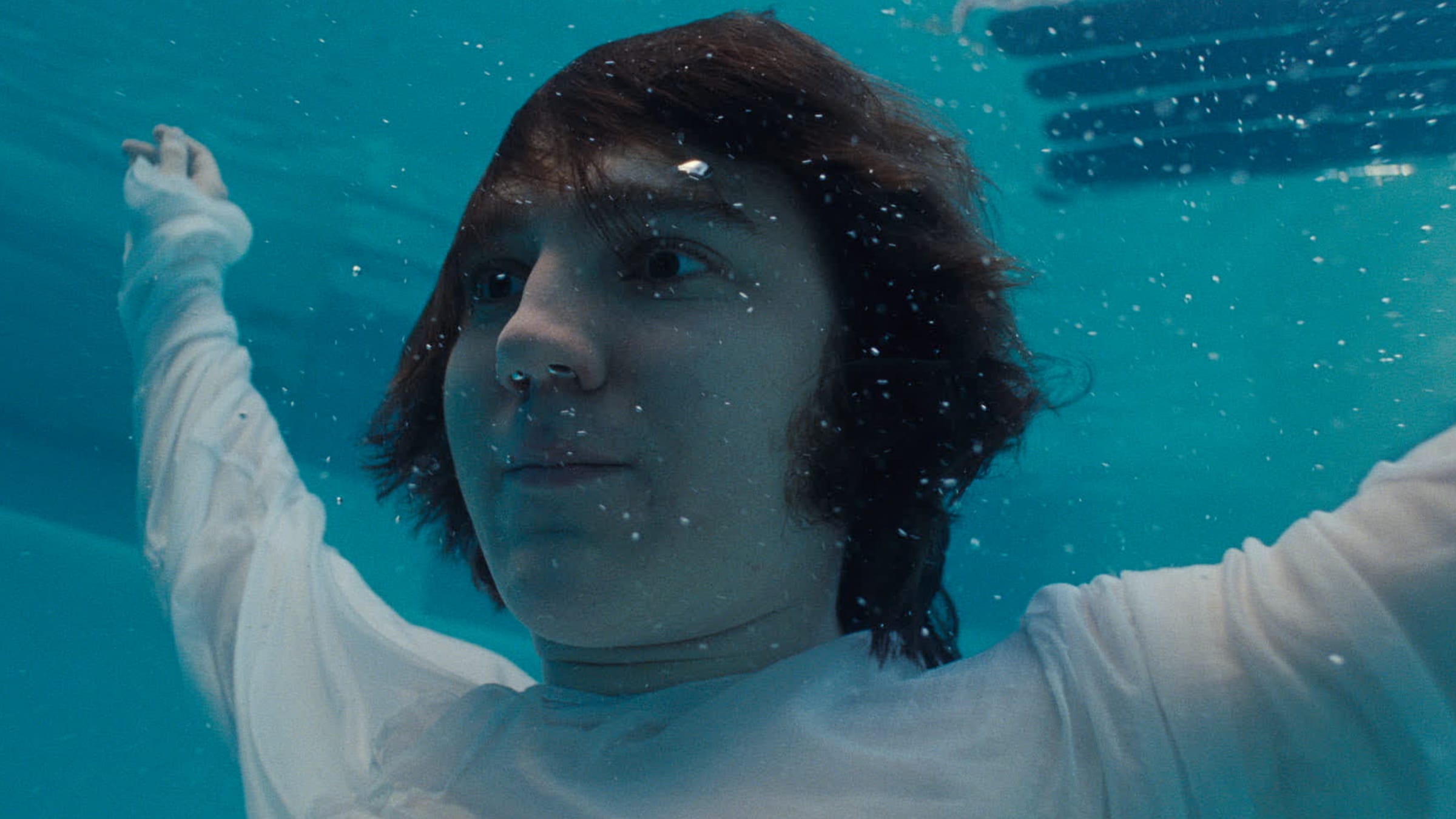
When rock stars get the Hollywood treatment, the result is often a lackluster re-creation of their career’s most famous highs and lows. But the best musical biopics do more than just cover their subjects’ greatest hits, adopting unconventional modes of storytelling that go deeper than mere mimicry. These films find visionary directors putting their imprints on the brilliant, often tumultuous lives of boundary-breaking musical icons: Ken Russell elevating one of the original celebrities of the classical world to the heights of glam-rock outrageousness in Lisztomania; Susanna Nicchiarelli reckoning with the pain and regret that fame leaves in its wake in Nico, 1988; and Todd Haynes teasing out the enigmatic multiplicity of Bob Dylan by enlisting six different actors to portray him in I’m Not There. In thrall to the ecstatic power of music, these portraits explode rise-and-fall conventions to reveal deeper truths about identity, artistry, and the myths we create around both.
Coprogrammed by Yasi Salek, writer and host of the podcast Bandsplain
FEATURING: Lisztomania (1975), The Buddy Holly Story (1978), Amadeus (1984), The Hours and Times (1992), Velvet Goldmine (1998), 24 Hour Party People (2002), Control (2007), I’m Not There (2007), Nowhere Boy (2009),* The Runaways (2010),* Love & Mercy (2015), Nico, 1988 (2017)*
COMING SEPTEMBER: The Doors (1991)
Southern Gothic
WATCH NOW
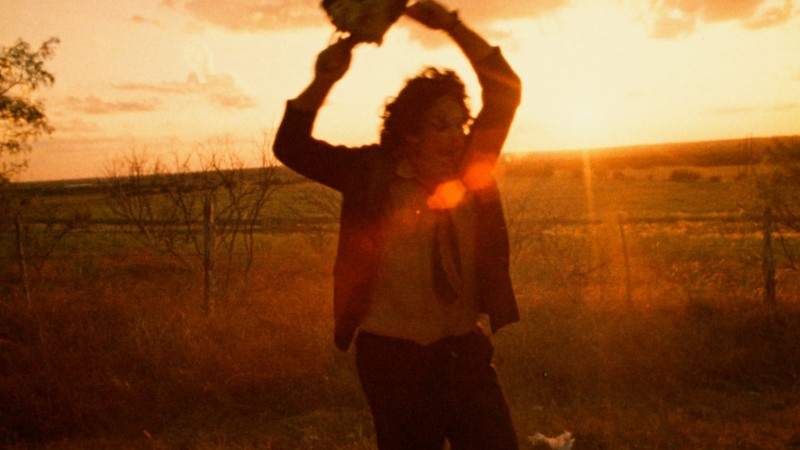
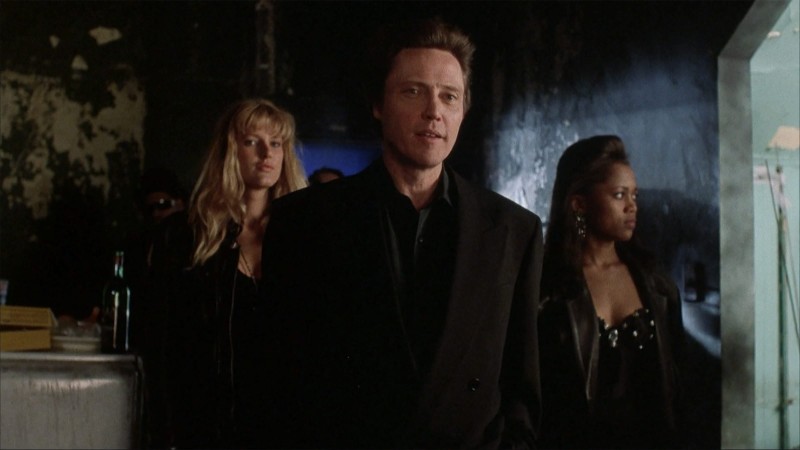
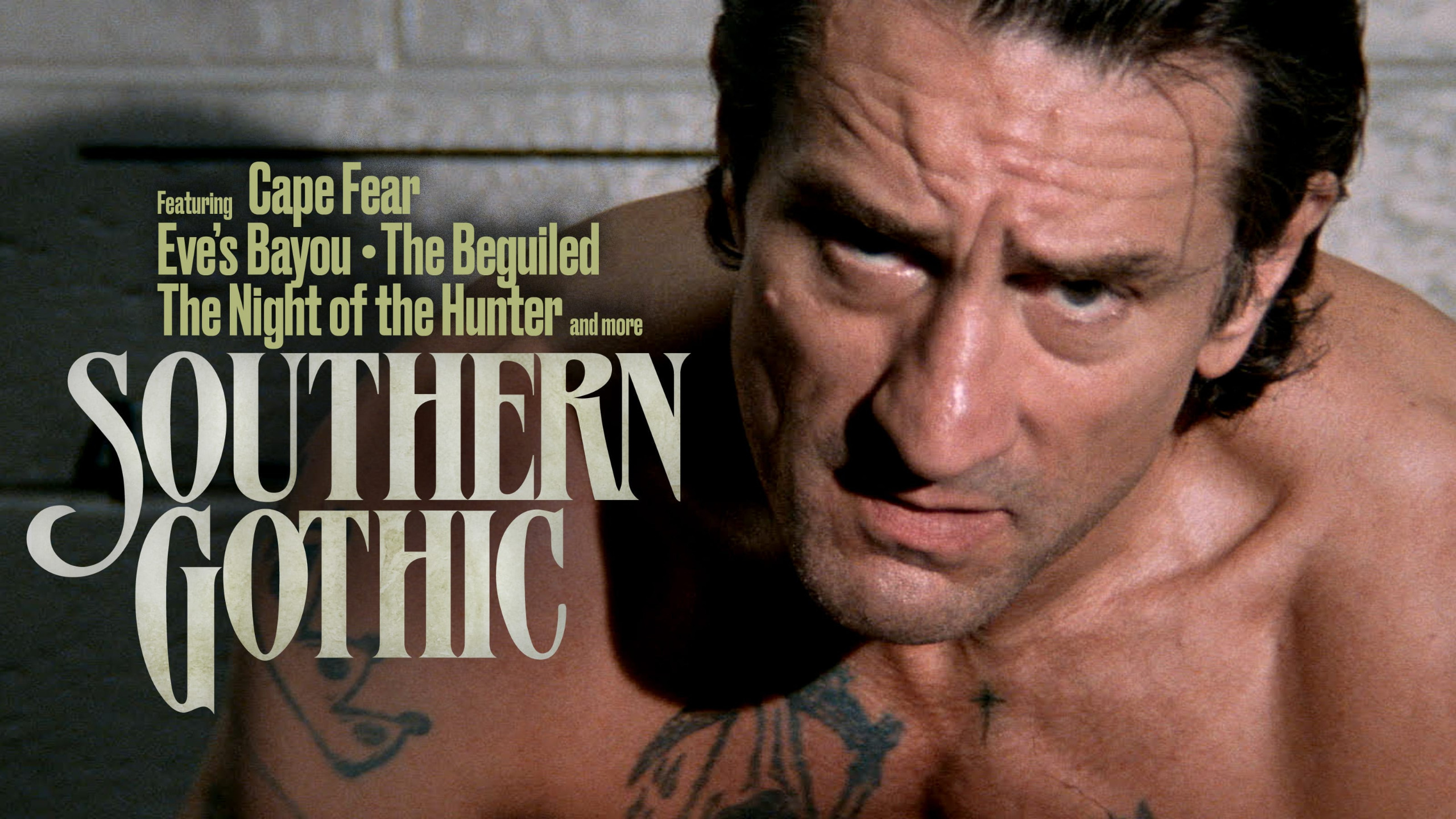
Set against the decaying grandeur of the American South, these sweltering sagas of family secrets, repressed desires, and twisted love are steeped in the region’s vibrant folklore and haunted history. Featuring adaptations of definitive southern writers like Tennessee Williams (Baby Doll) and Flannery O’Connor (Wise Blood), lurid chronicles of families in decline (Written on the Wind, Eve’s Bayou), terrifying thrillers built around crazed villains (Robert Mitchum in The Night of the Hunter and Cape Fear, as well as Robert De Niro in Martin Scorsese’s remake of the latter) and hothouse tales of simmering lust (The Beguiled, The Paperboy), this selection of southern-gothic greats abounds in the eccentric characters and eerie atmosphere that define the genre.
FEATURING: The Night of the Hunter (1955), Baby Doll (1956), Written on the Wind (1956),* The Long, Hot Summer (1958), Cape Fear (1962),* The Beguiled (1971),* Wise Blood (1979), Down by Law (1986), Wild at Heart (1990),* Cape Fear (1991),* Eve’s Bayou (1997), The Paperboy (2012),* Wildcat (2023)
COMING SEPTEMBER 1: The Beguiled (2017)

Desert Trips
WATCH NOW
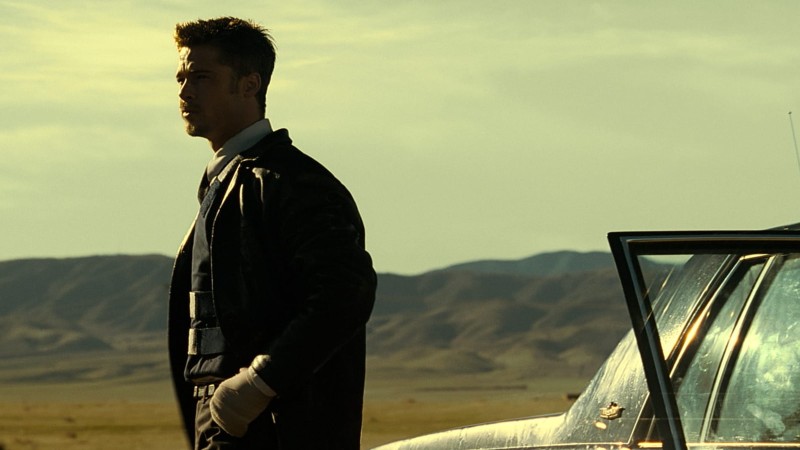
The vast, arid landscapes of the American Southwest become hallucinatory expanses of existential reckoning in these sun-blasted journeys into a harsh, unforgiving no-man’s land. From the counterculture disillusionment of Michelangelo Antonioni’s Zabriskie Point to the aching desolation of Wim Wenders’ Paris, Texas to the feverish romanticism of David Lynch’s Wild at Heart, these films turn scorched highways and otherworldly terrain into unforgettable projections of their characters’ inner worlds.
FEATURING: Zabriskie Point (1970), Paris, Texas (1984), Wild at Heart (1990), Fear and Loathing in Las Vegas (1998)
Fred Armisen and Carrie Brownstein’s Adventures in Moviegoing
WATCH NOW
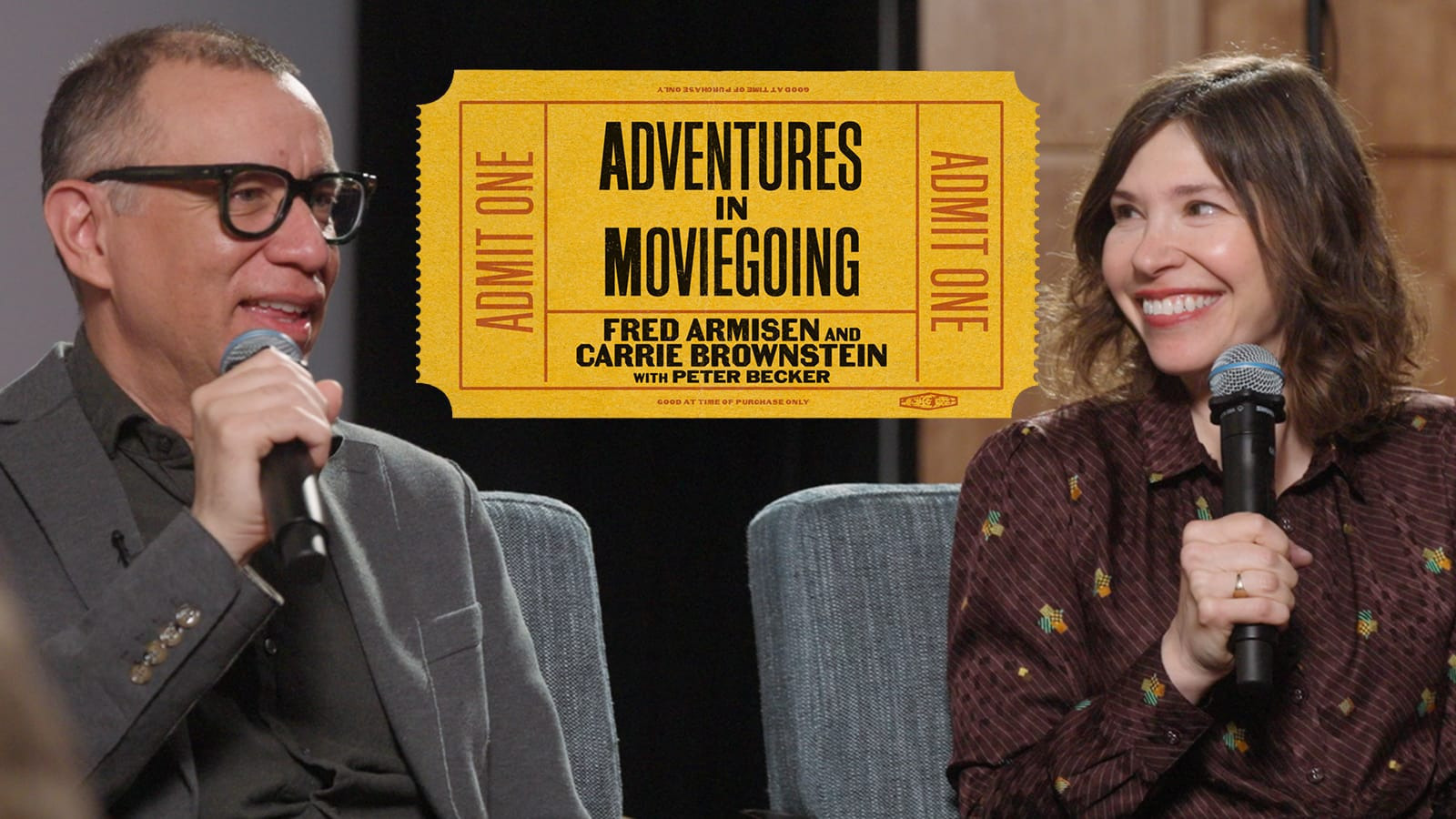
Beloved for their work in both music and comedy, Carrie Brownstein and Fred Armisen have left an indelible imprint on pop culture with their cult-favorite sketch show Portlandia. In this special edition of Adventures in Moviegoing, the pair join Criterion president Peter Becker at Portland’s PAM CUT Cinema for a hilarious conversation about the films they’ve loved, obsessed over, and want to share with each other and the world. Touching on everything from what they watch on tour and their all-time favorite movies about bands (that aren’t Spinal Tap) to their reverence for stars ranging from Greta Garbo to Divine, the pair blend quick-witted banter with wide-ranging cinephilic knowledge for a celebration of auteurist favorites and pop pleasures alike.
James Baldwin On-Screen
WATCH NOW
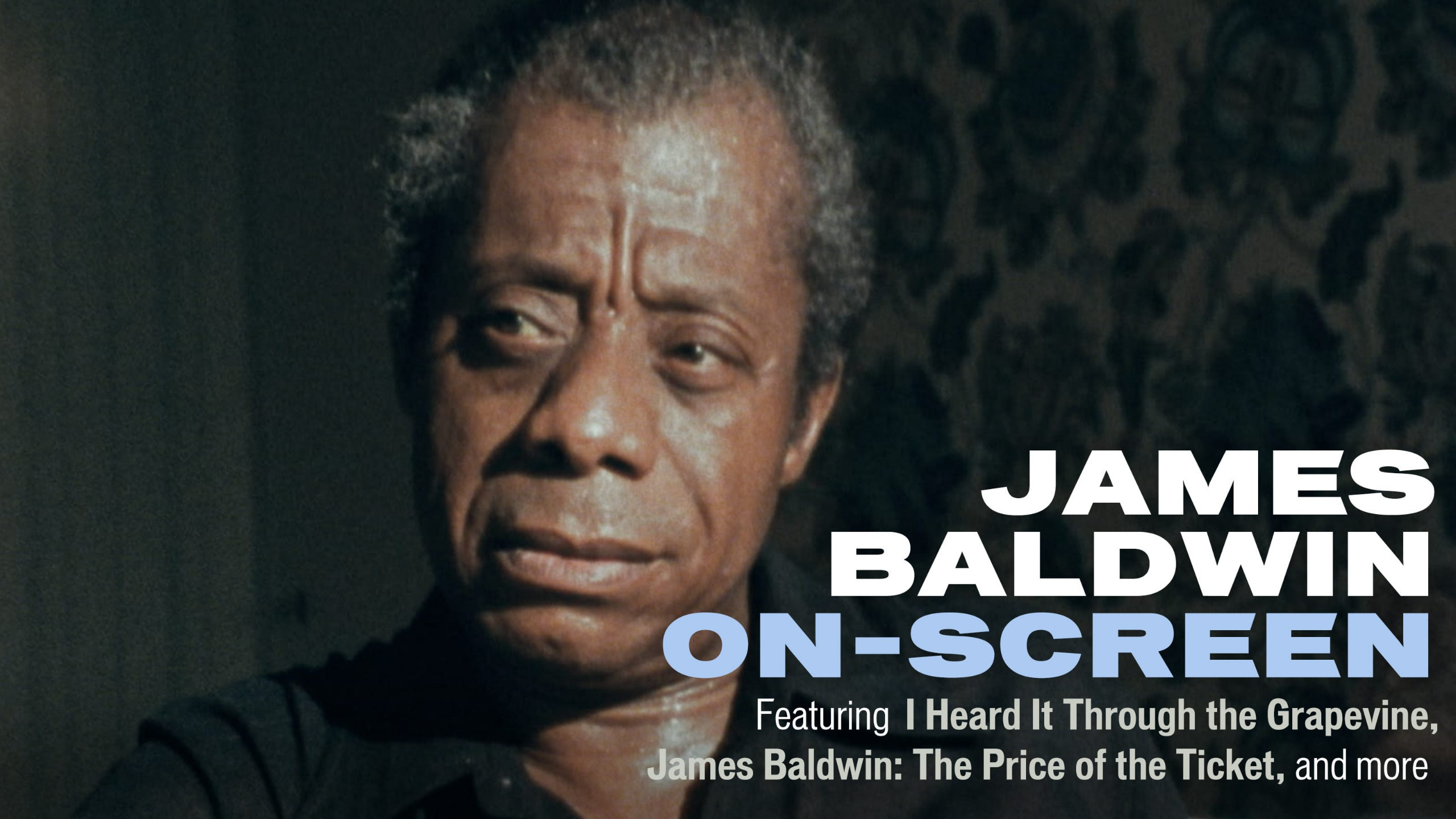
Towering literary lion, fierce social critic, and inimitable cultural icon James Baldwin opened up a new space for the frank discussion of race, sexuality, and identity in American society. He also left behind a dynamic cinematic legacy, as seen in these portraits that capture his electrifying presence and passionate eloquence. Across his screen appearances, Baldwin delivered a far-reaching commentary on everything from art to religion to love to liberation to his experiences as a queer Black man who lived much of his life abroad but who never stopped examining his own complex relationship to the United States.
FEATURES: I Heard It Through the Grapevine (1982), James Baldwin: The Price of the Ticket (1989)
SHORTS: Baldwin’s Nigger (1968), Meeting the Man: James Baldwin in Paris (1970), James Baldwin: From Another Place (1973)
STREAMING PREMIERES
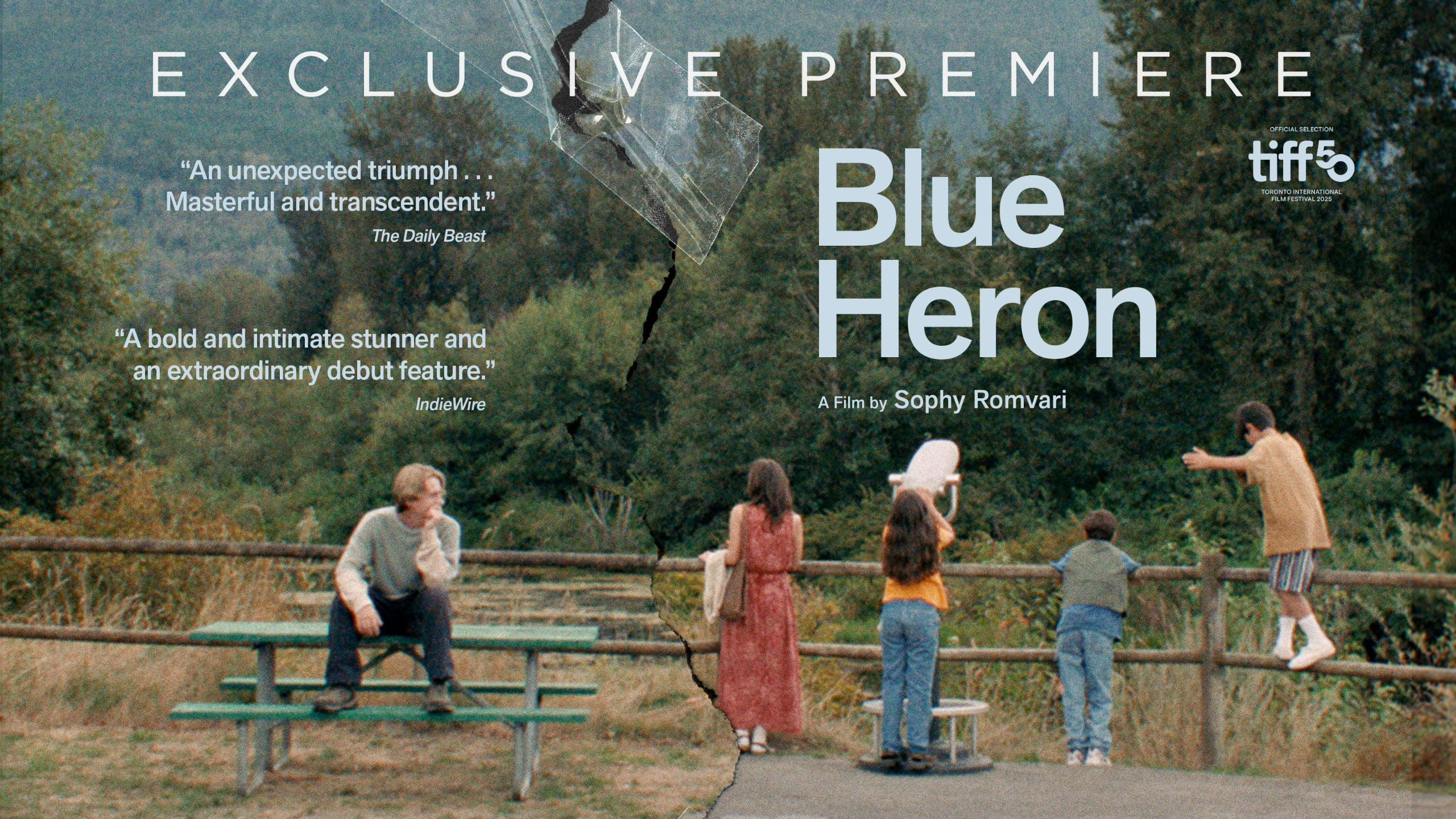
Blue Heron*
WATCH NOW
Featuring a new introduction by director Sophy Romvari, part of Criterion’s Meet the Filmmakers series
A singular coming-of-age story, this revelatory feature debut by Sophy Romvari heralds the arrival of a major new cinematic voice. In the late 1990s, eight-year-old Sasha (Eylul Guven) and her Hungarian Canadian family relocate to a new home on Vancouver Island, but their fresh start is interrupted by increasingly dangerous behavior from her eldest brother, Jeremy (Edik Beddoes). At wit’s end, their parents are presented with a shattering choice. Audaciously layering the past and the present until they converge in a moment of devastating emotional clarity, Blue Heron evokes the languid haze of a childhood summer and the hidden tensions rippling beneath it.

Mad Bills to Pay (or Destiny, dile que no soy malo)
WATCH NOW
In a tight-knit Dominican American community in the Bronx, Rico (Juan Collado) is hustling his way through the summer, selling bootleg “nutcracker” cocktails out of a beach cooler while chasing girls. But when his girlfriend, Destiny (Destiny Checo), begins crashing at his family’s place, their small apartment becomes a stage for their messy, complicated relationship—and soon they must reckon with the sobering reality of growing up too fast in a city that waits for no one. Channeling the electrifying naturalism of John Cassavetes, writer-director Joel Alfonso Vargas turns his hometown into the heartbeat of his crackling debut feature, teaming up with street-cast acting talent to deliver a deeply authentic look at the tapestry of urban life and the ups and downs of young love.

Cactus Pears
WATCH NOW
The exquisitely tender feature debut from Rohan Kanawade is a watershed event in Indian cinema: a compassionate vision of queer romance fighting to blossom amid the forces of tradition, class prejudice, and deep-seated cultural repression. Following the death of his father, thirtysomething Anand (Bhushaan Manoj) is compelled to return from Mumbai for a ten-day mourning period in his hometown in the rugged countryside of western India. There, he reconnects with Balya (Suraaj Suman), a farmer and childhood friend with whom he once shared an unspoken connection. As a budding love story plays out in moments of beautifully observed intimacy, Anand must decide the fate of a relationship born under duress.
REDISCOVERIES AND RESTORATIONS
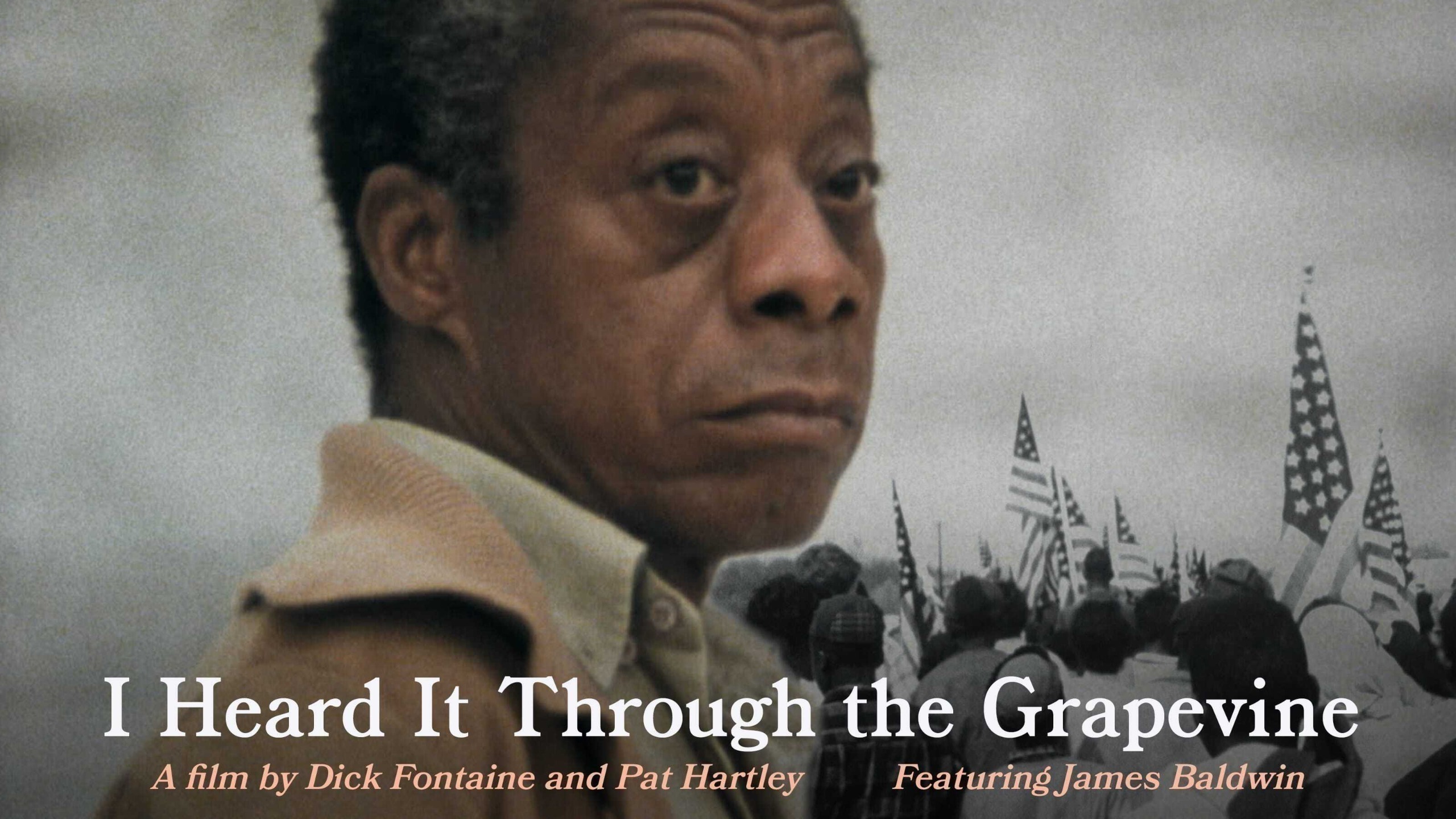
I Heard It Through the Grapevine
WATCH NOW
Fifteen years after the end of Jim Crow, writer, activist, and cultural critic James Baldwin returns to the American South for a thought-provoking journey that brings the region’s past and present into revealing dialogue. As he revisits the major sites of the civil rights struggle—from Birmingham and Selma, Alabama, to Atlanta, Georgia—Baldwin explores both what has changed in the intervening years and what, tellingly, has not. Featuring illuminating conversations with prominent activists and cultural figures like Reverend Fred Shuttlesworth, Oretha Castle Haley, and Chinua Achebe as well as everyday people, I Heard It Through the Grapevine offers an essential perspective on the changing face of the South, the legacy of the civil rights movement, and all that remains to be done.

Brick and Mirror
WATCH NOW
With this landmark debut feature, director Ebrahim Golestan delivered a jolt of modernism to prerevolution Iranian cinema, laying the groundwork for the country’s first, still often overlooked new wave. When a mysterious woman (feminist literary icon Forugh Farrokhzad) abandons a baby in the backseat of his cab one night, Tehran taxi driver Hashem (Zakaria Hashemi) is launched on a journey through the city’s unfeeling bureaucracy as he attempts to find a home for the infant—a situation that soon puts him in conflict with his nurturing girlfriend Taji (Taji Ahmadi). Melding the influences of Persian poetry, 1960s European art cinema, and Wellesian expressionism, Brick and Mirror offers a portrait of a crumbling relationship that also functions as a devastating dissection of a society poisoned by fear, distrust, and patriarchal arrogance.
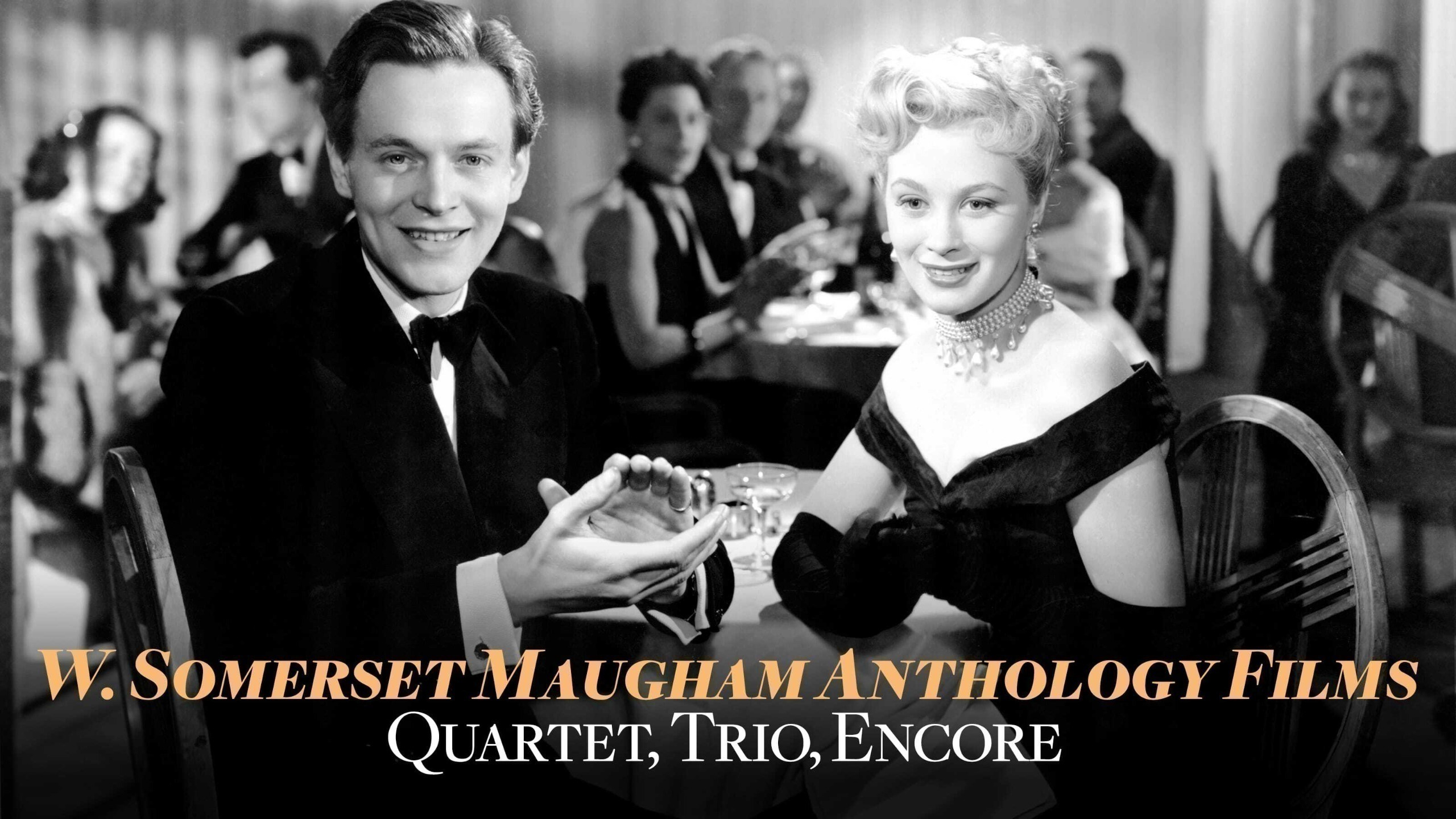
W. Somerset Maugham Anthology Films
WATCH NOW
In 1948, Gainsborough Pictures—best known for its enormously popular gothic melodramas—embarked on a rare prestige project: an anthology-film adaptation of four short stories by W. Somerset Maugham titled Quartet, soon followed by two similarly structured follow-ups, Trio and Encore. Featuring British acting legends like Dirk Bogarde, Jean Simmons, and Glynis Johns, these exquisitely crafted miniatures represent literary adaptation at its most elegant, drawing on Maugham’s famously keen insights into human nature to tell stories of misguided passions, creative obsession, social ambition, and unexpected reversals of fortune.
FEATURING: Quartet (1948), Trio (1950), Encore (1951)
CRITERION COLLECTION EDITIONS
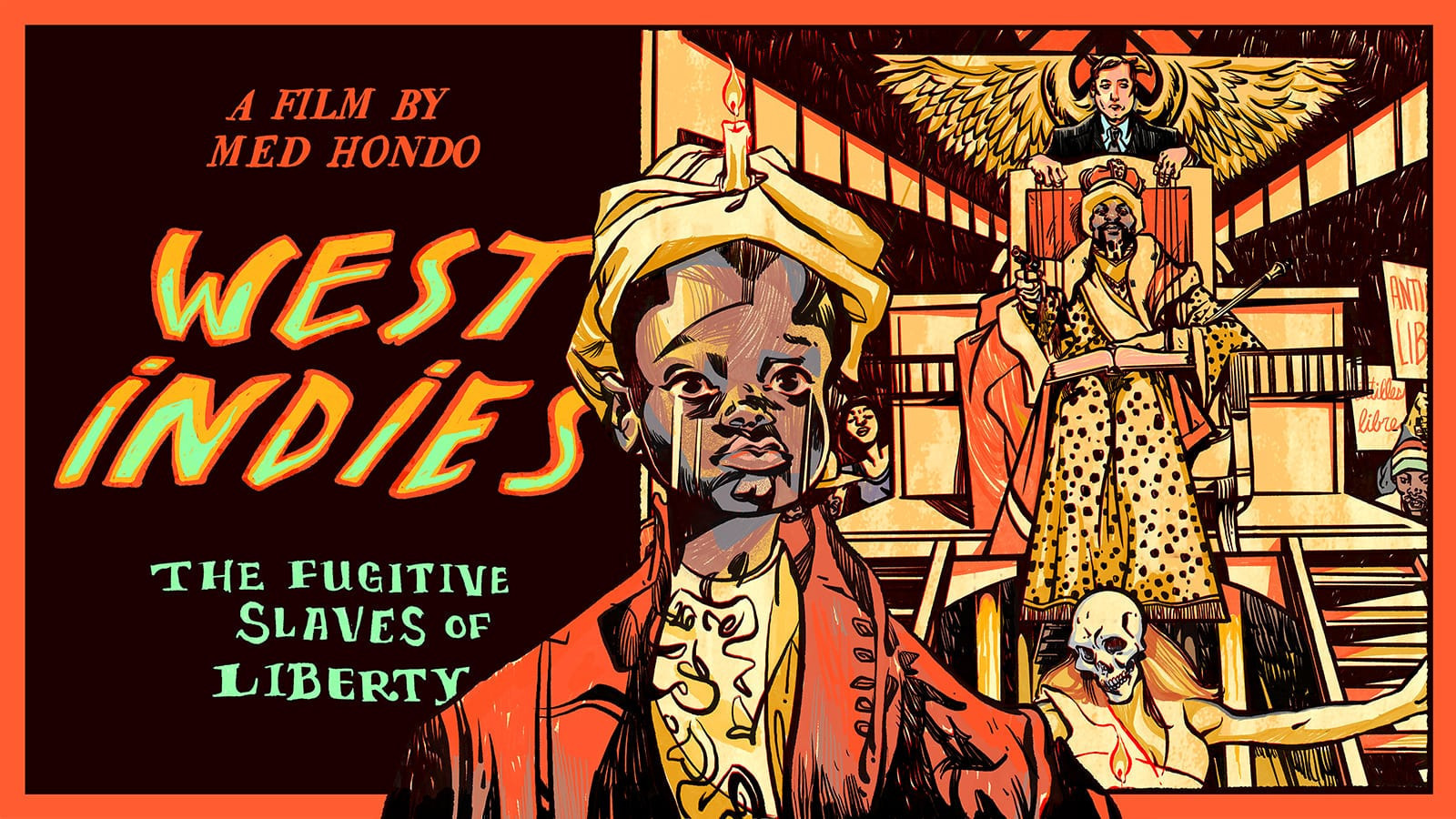
West Indies: The Fugitive Slaves of Liberty (Med Hondo, 1979)
Criterion Collection Edition #1313
Med Hondo’s one-of-a-kind musical spectacular explores the effects of French colonialism across centuries of oppression and injustice, resistance and revolution.
SUPPLEMENTAL FEATURES: Interviews with Hondo, African-cinema scholar Aboubakar Sanogo, and cinematographer François Catonné.
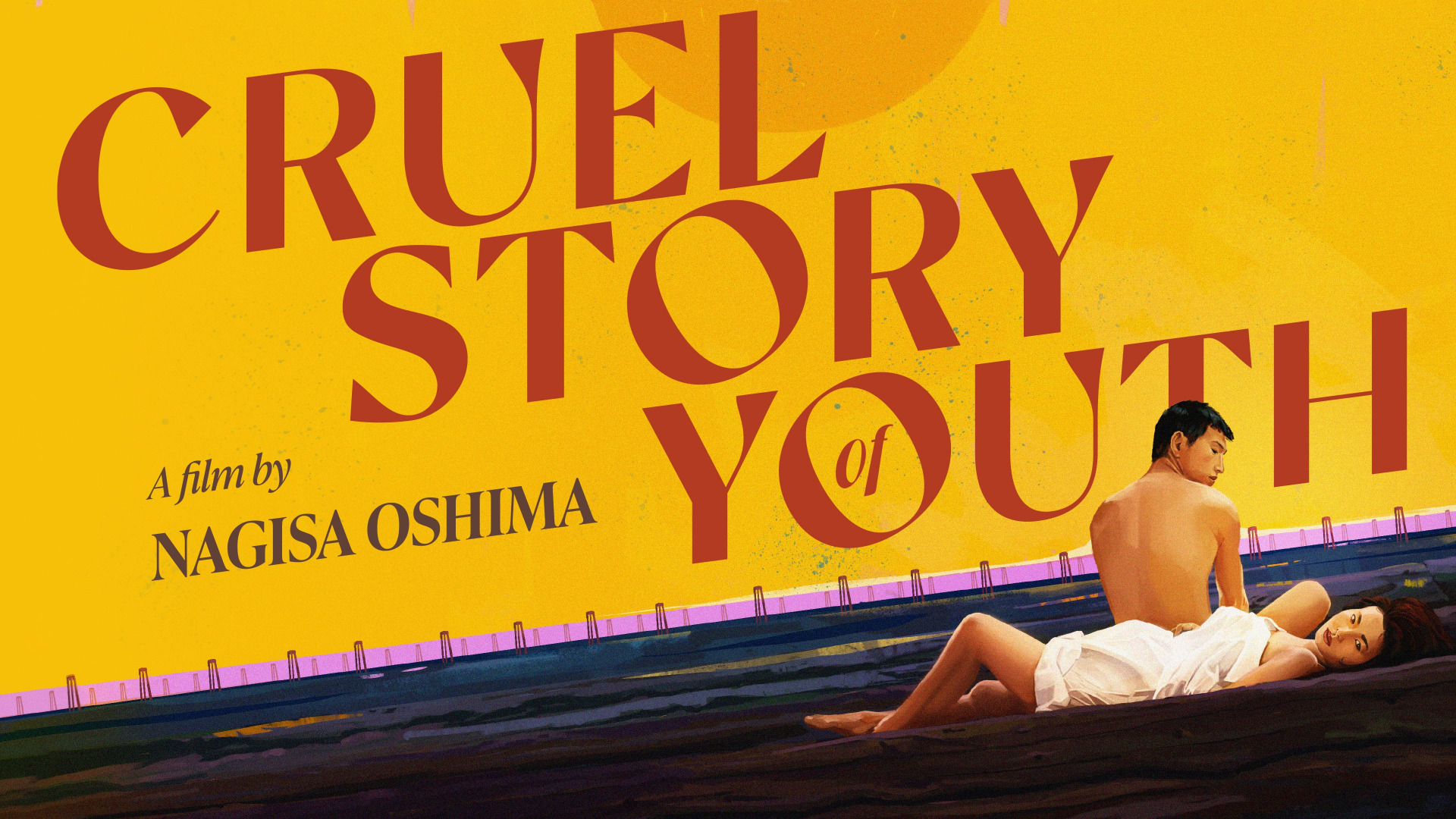
Teenage lovers turn to a life of crime on the margins of postwar Tokyo in Nagisa Oshima’s scorching tale of toxic love in a toxic world.
SUPPLEMENTAL FEATURES: A Town of Love and Hope (1959), Oshima’s first feature film; Tomorrow’s Sun (1959), a short film by Oshima; and an interview with film scholar Tony Rayns.

Luis Buñuel’s final film brings full circle the director’s preoccupation with the darker side of desire through the story of an urbane widower tortured by lust for an elusive woman.
SUPPLEMENTAL FEATURES: An interview with screenwriter Jean-Claude Carrière, a documentary featuring actors Carole Bouquet and Ángela Molina, a 2012 documentary on Buñuel featuring members of the crew, and more.
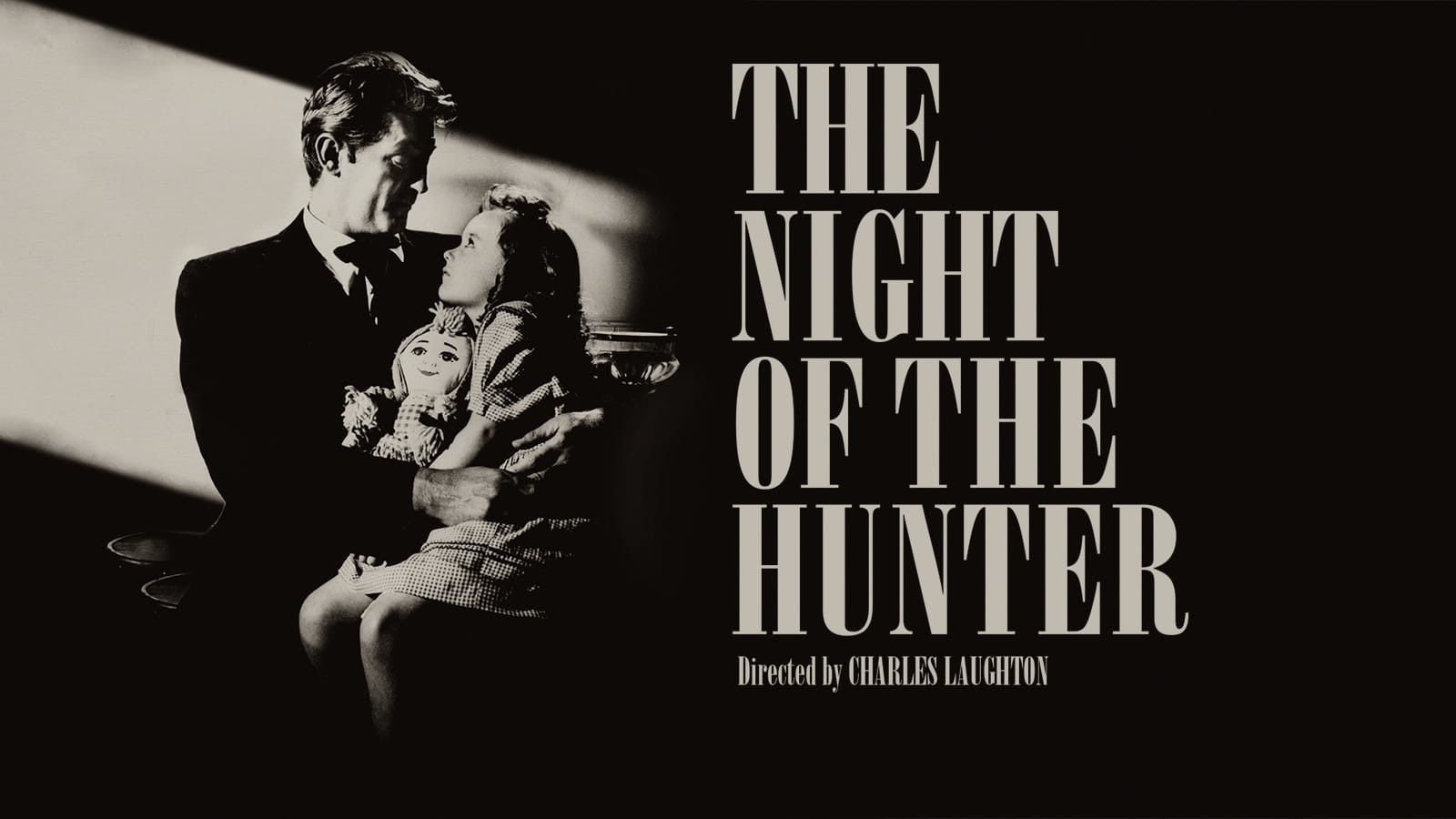
A sublimely sinister Robert Mitchum is evil incarnate in Charles Laughton’s sole directorial effort, a horror movie with the quality of a Grimm fairy tale.
SUPPLEMENTAL FEATURES: A documentary on the making of the film, interviews with Laughton biographer Simon Callow and cinematographer Stanley Cortez, a clip from The Ed Sullivan Show in which cast members perform a scene deleted from the film, and more.
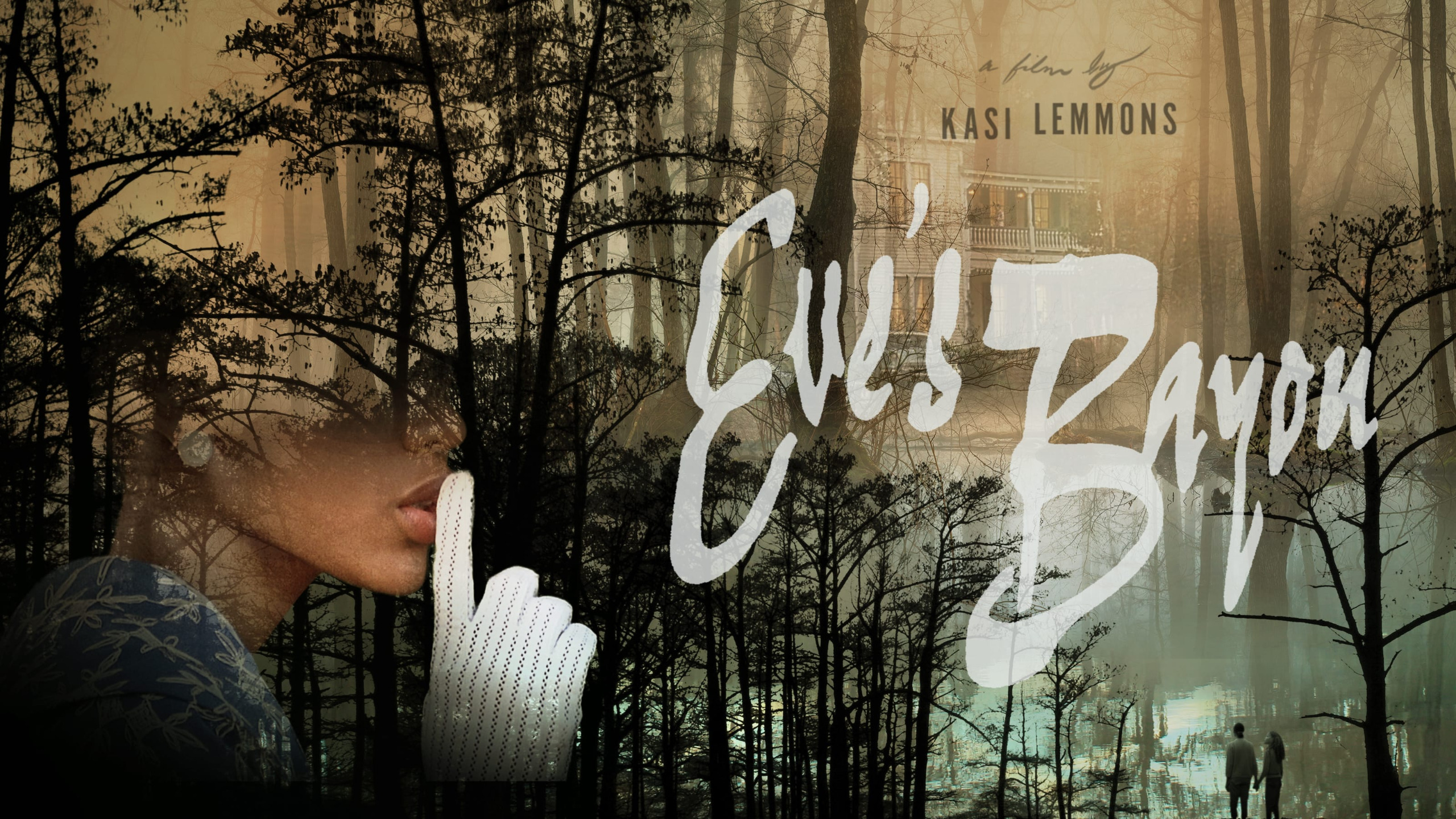
“The summer I killed my father, I was ten years old . . .” In 1960s Louisiana, a young girl sees her well-to-do family unravel in the wake of her father’s infidelities.
SUPPLEMENTAL FEATURES: Audio commentary by director Kasi Lemmons, cinematographer Amy Vincent, producer Caldecot Chubb, and editor Terilyn A. Shropshire; interviews with Lemmons and composer Terence Blanchard; and more.
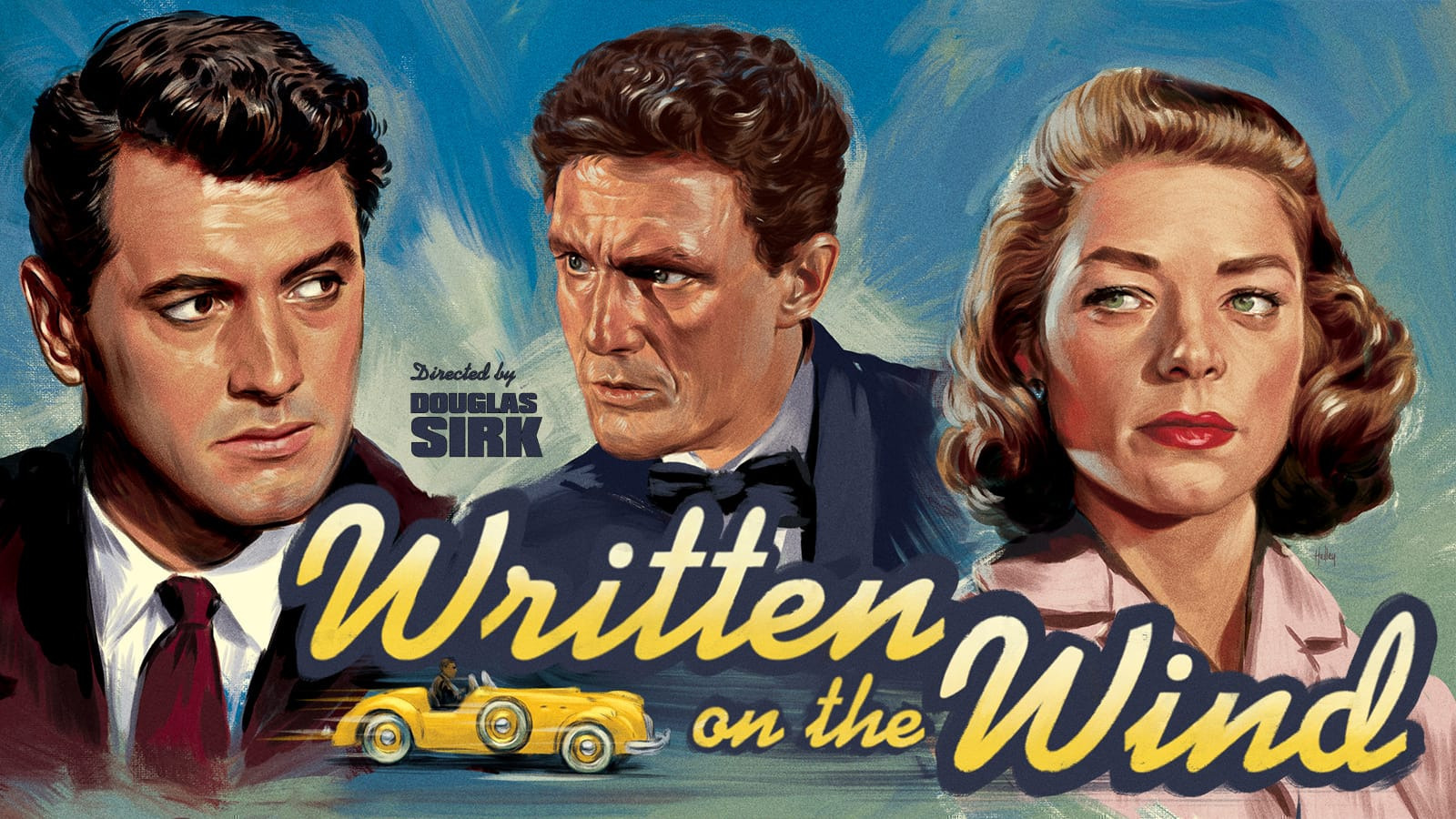
Alcoholism, nymphomania, impotence, and deadly jealousy are just a few of the toxins coursing through a massively wealthy, degenerate Texan oil family in Douglas Sirk’s operatic melodrama.
SUPPLEMENTAL FEATURES: The 2008 documentary Acting for Douglas Sirk and an interview with film scholar Patricia White.
DIRECTOR SPOTLIGHTS
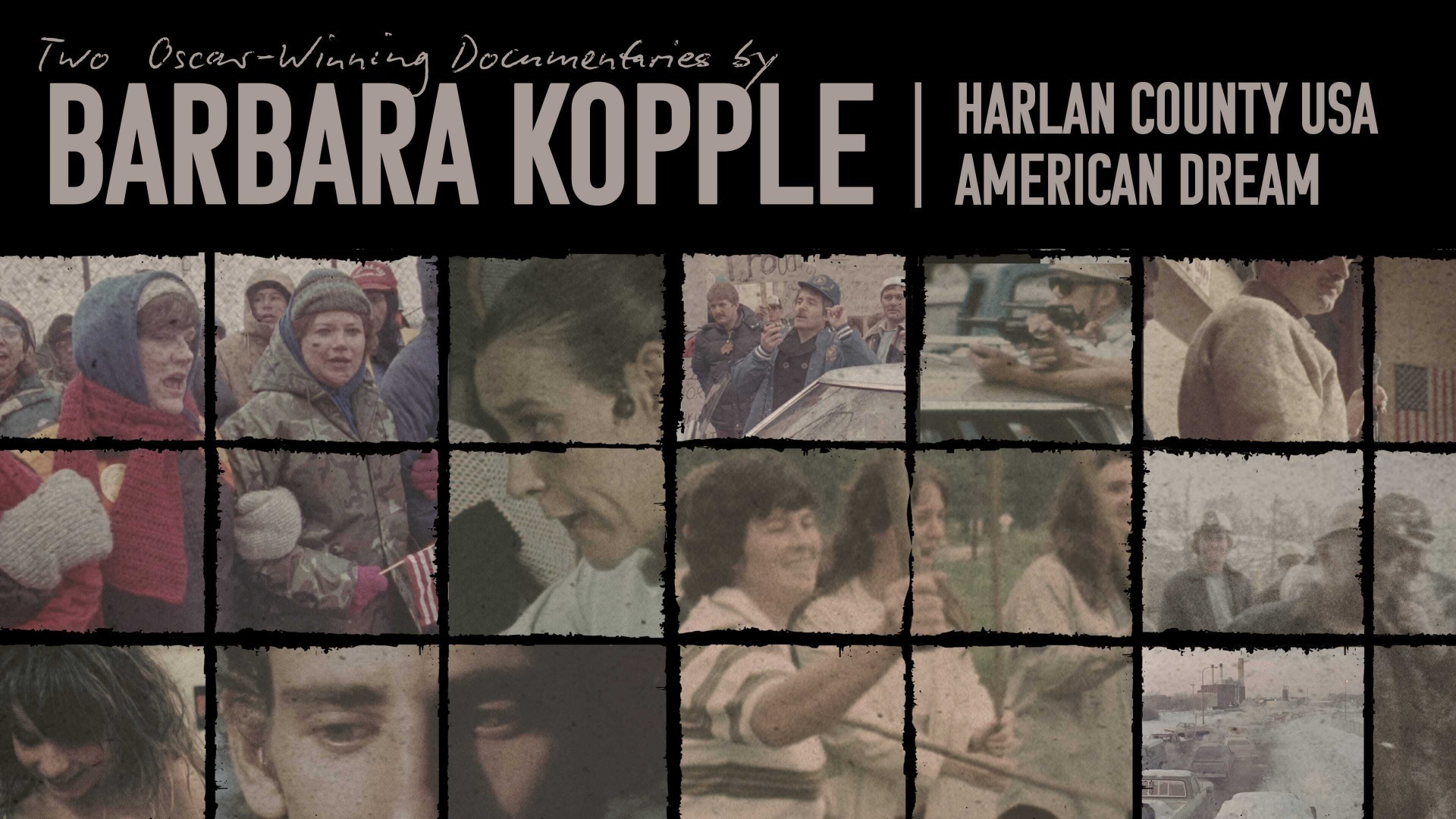
Two Oscar-Winning Documentaries by Barbara Kopple
WATCH NOW
Urgent, eye-opening dispatches from the front lines of American class struggle, these galvanizing documentaries by Barbara Kopple—both winners of the Academy Award for Best Documentary—are among the most essential films ever made about organized labor. Filmed over several years, Harlan County USA is a powerful immersion into a small Kentucky town struggling to stay afloat amid a thirteen-month coal miners’ strike as Appalachian grit goes up against the entrenched forces of capitalism. In American Dream, Kopple travels to Austin, Minnesota, to document a Reagan-era meatpackers’ strike against Hormel Foods, capturing the heated backroom negotiations, competing media wars, and devastating human cost of a battle that leaves no part of the community untouched.
FEATURING: Harlan County USA (1976), American Dream (1990)
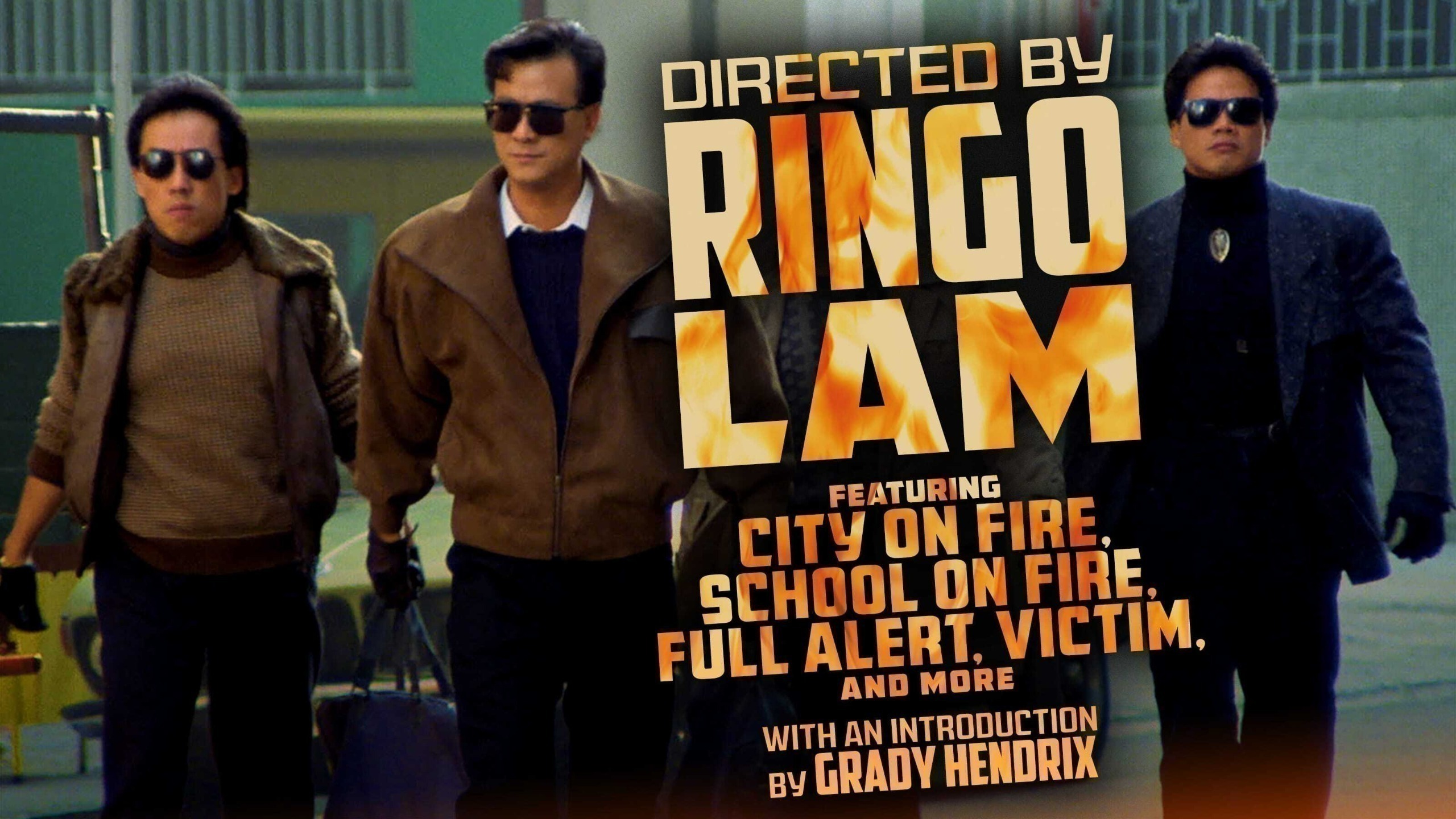
Directed by Ringo Lam
WATCH NOW
Featuring an introduction by Grady Hendrix, part of Criterion’s Spotlight series
Raw, gritty, intensely angry visions of individuals pushed to the brink by a corrupt society, the films of Hong Kong action renegade Ringo Lam scorch the screen with an anarchic fury. His action classic City on Fire offered Chow Yun-fat one of his meatiest roles and inspired QuentinTarantino’s Reservoir Dogs. With his further entries in the “On Fire” series and later triumphs like the propulsive handover-era thriller Full Alert, Lam doubled down on social criticism without stinting on the action, offering a searing portrait of systemic moral breakdown.
FEATURING: City on Fire (1987), Prison on Fire (1987), School on Fire (1988), Wild Search (1989), Prison on Fire II (1991), Full Alert (1997), Victim (1999)
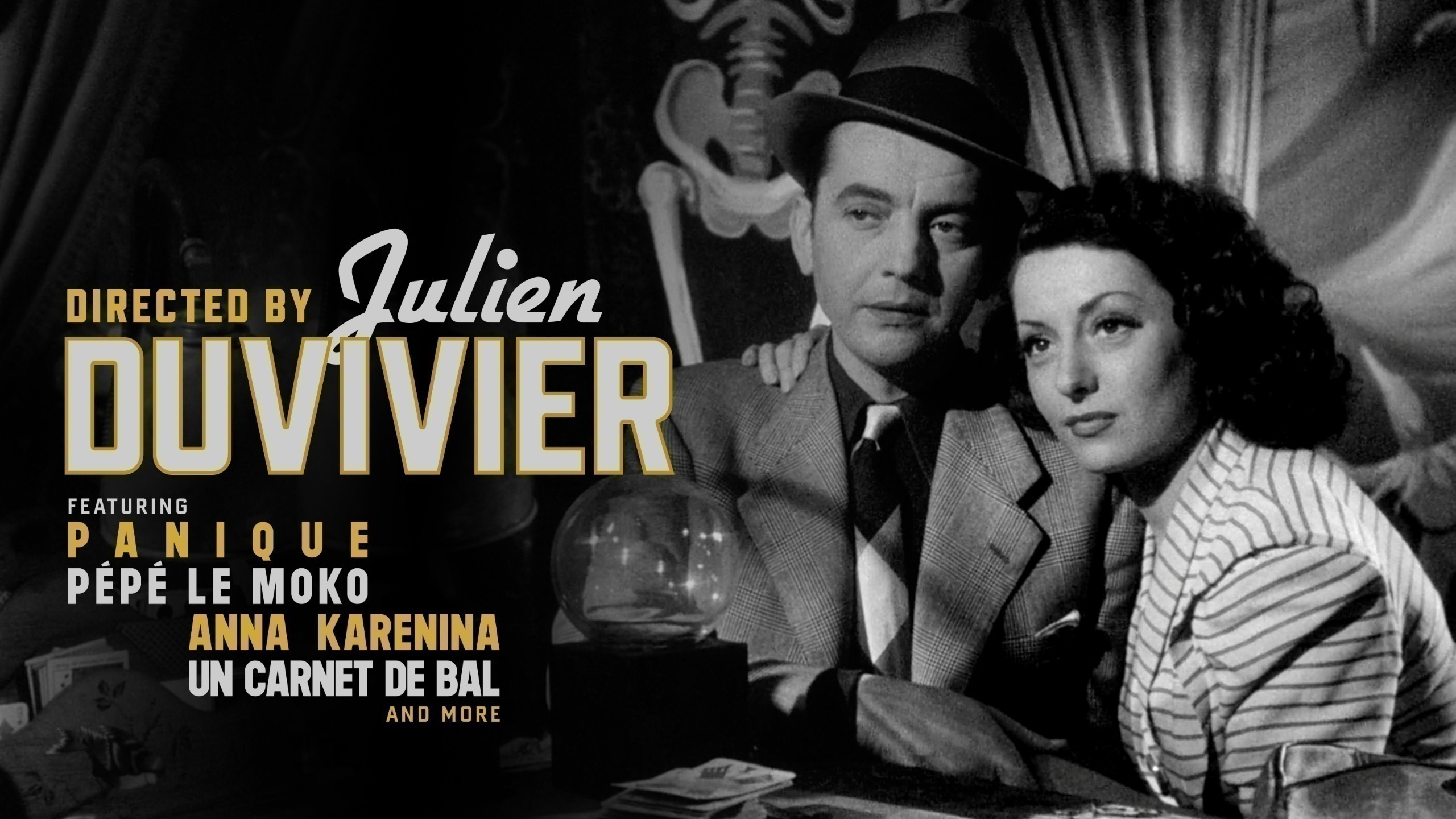
Directed by Julien Duvivier
WATCH NOW
Julien Duvivier was among the definitive craftsmen of classical French cinema, bringing expressive camera work, atmospheric mise-en-scène, and a darkly lyrical sensibility to often-overlooked jewels across an extraordinary array of genres. His deeply shadowed, fatalistic early sound films David Golder and La tête d’un homme anticipate the poetic-realist style that would come to define 1930s Gallic cinema, and which would find one of its fullest expressions in the intoxicatingly doom-laden, Algiers-set underworld drama Pépé le Moko. From the elegant, wistful romance of Un carnet de bal to the startlingly bleak noir pessimism of Panique to the charmingly imaginative meta-comedy of La fête à Henriette, Duvivier maintained a master’s touch that won him the admiration of titans like Orson Welles and Jean Renoir, who declared, “If I were an architect and I had to build a monument to the cinema, I would place a statue of Julien Duvivier at the entrance.”
FEATURING: David Golder (1930), Poil de carotte (1932), La tête d’un homme (1933), They Were Five (1936), Un carnet de bal (1937), Pépé le moko (1937), The End of the Day (1939), Lydia (1941), Panique (1946), Anna Karenina (1948), La fête à Henriette (1952)
SHORT FILMS
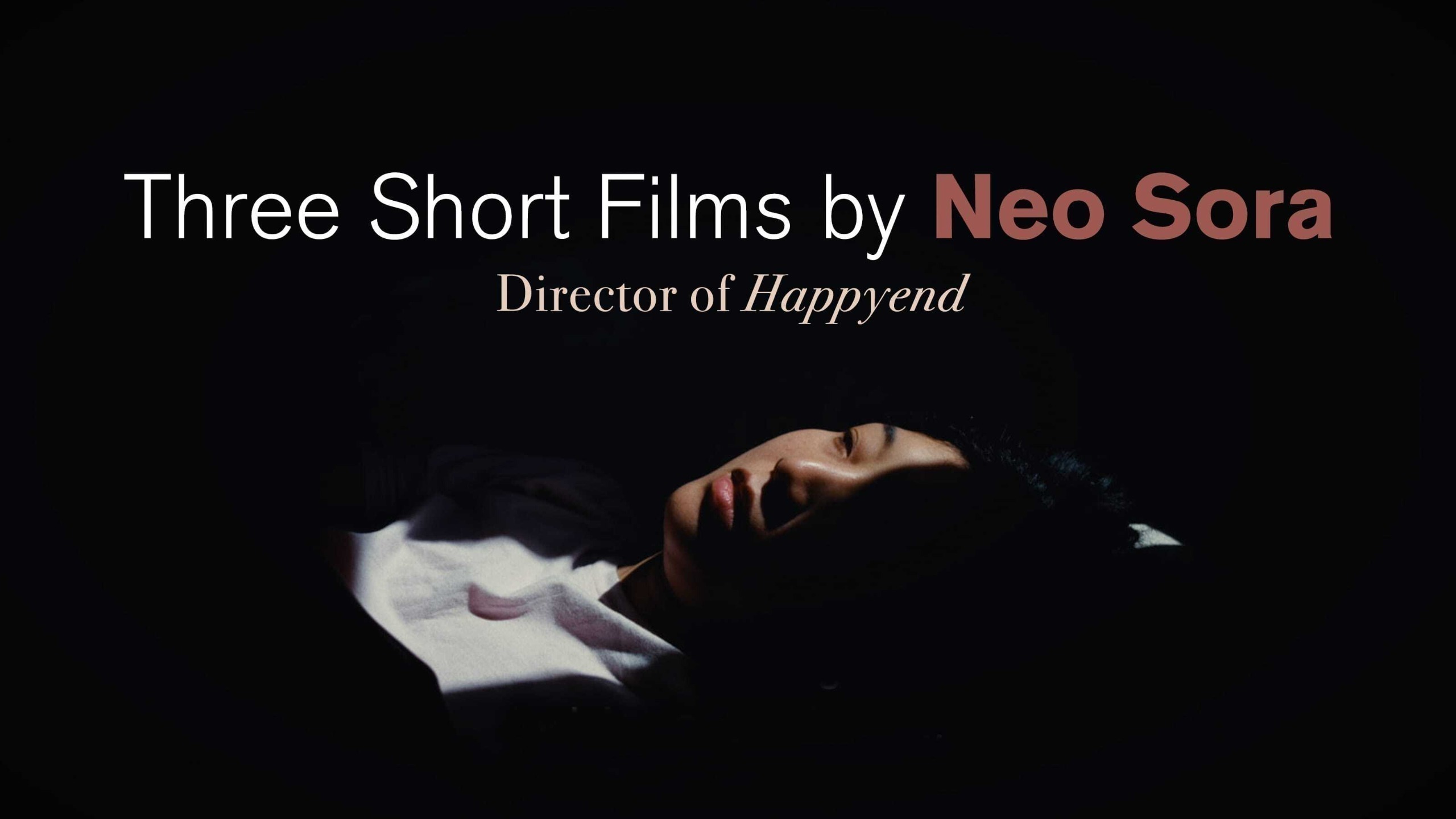
Three Short Films by Neo Sora
WATCH NOW
Like his acclaimed feature Happyend, now streaming on the Criterion Channel, these short films by Neo Sora display both his keen eye for vivid cinematic details and ability to connect intimate human stories with broader social and political questions. While The Chicken and A Very Straight Neck are striking adaptations of short works by the Japanese writers Naoya Shiga and Momoe Narazaki, respectively, Sugar Glass Bottle draws from Sora’s own childhood experiences and is very much a thematic precursor to Happyend.
FEATURING: The Chicken (2020), Sugar Glass Bottle (2022), A Very Straight Neck (2025)
HOLLYWOOD HITS
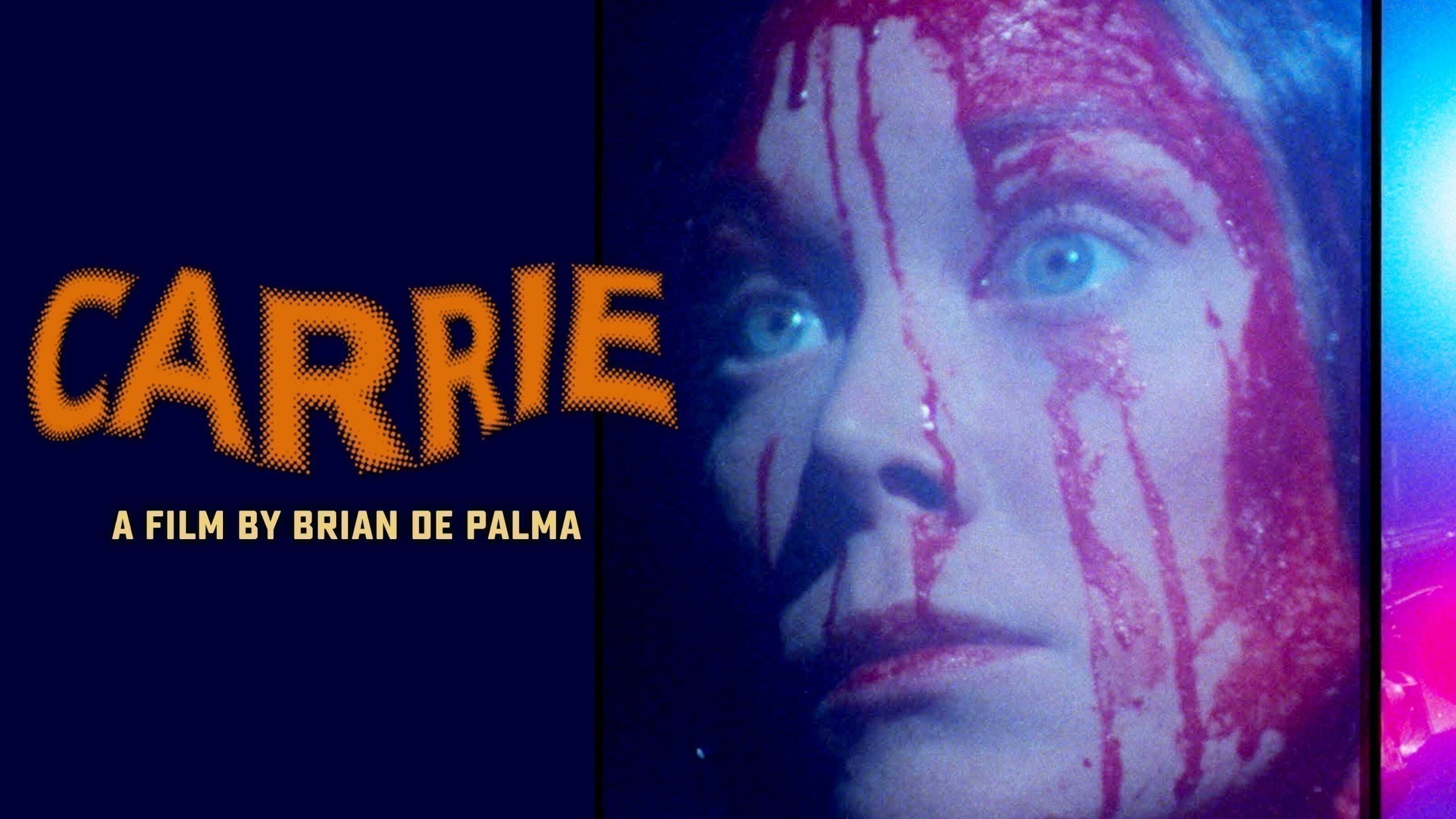
Carrie
WATCH NOW
Out-of-print Criterion LaserDisc Edition featuring audio commentary by screenwriter Lawrence D. Cohen and author Laurent Bouzereau
A bullied teenager (Sissy Spacek) unleashes her powers of telekinesis in Brian De Palma’s classic, still-shocking adaptation of the novel by Stephen King.
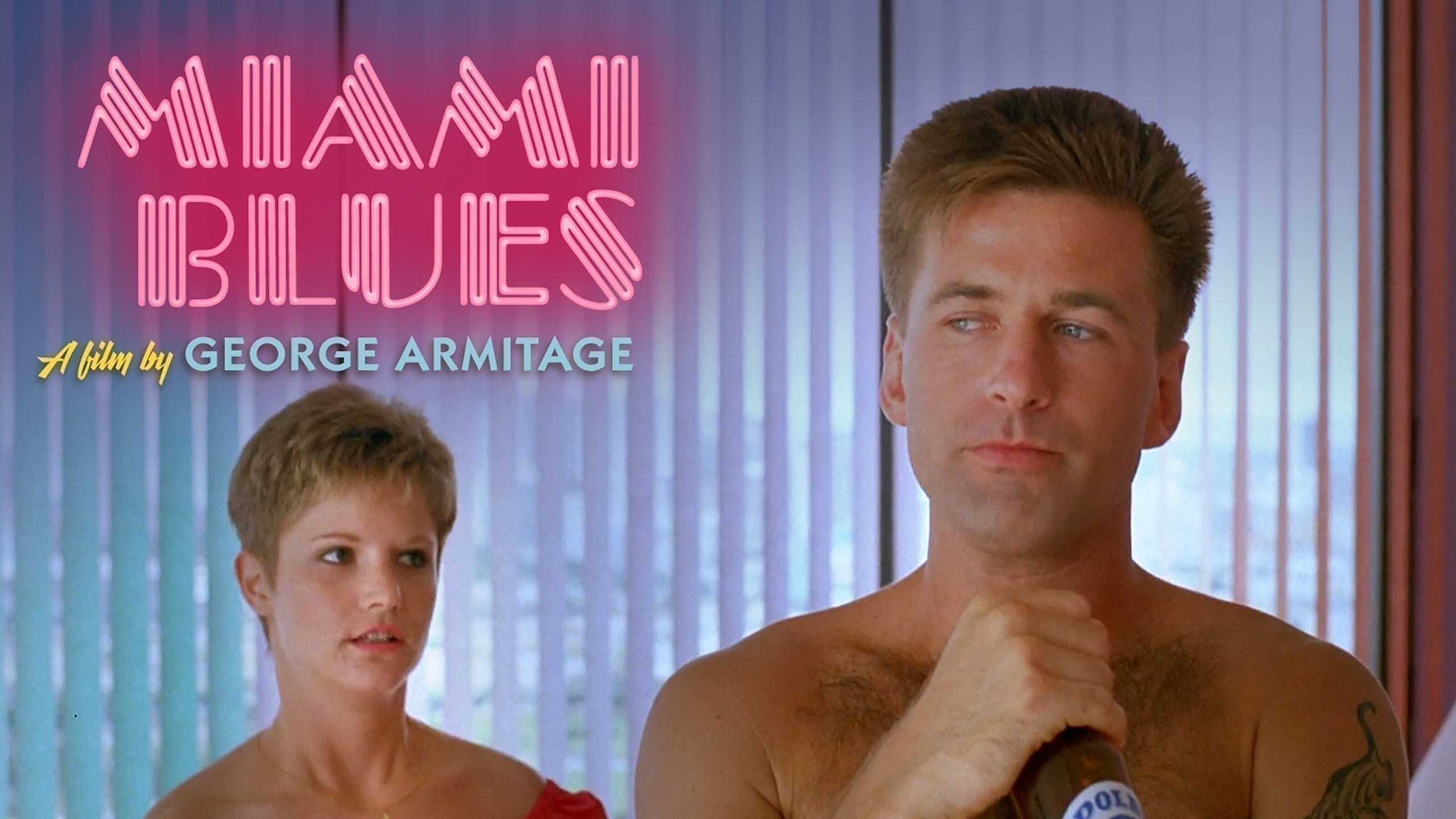
Miami Blues
WATCH NOW
Posing as a police officer, a sociopathic ex-con (Alec Baldwin) embarks on a wild crime spree with a detective in hot pursuit in this marvelously offbeat, black-comic caper.
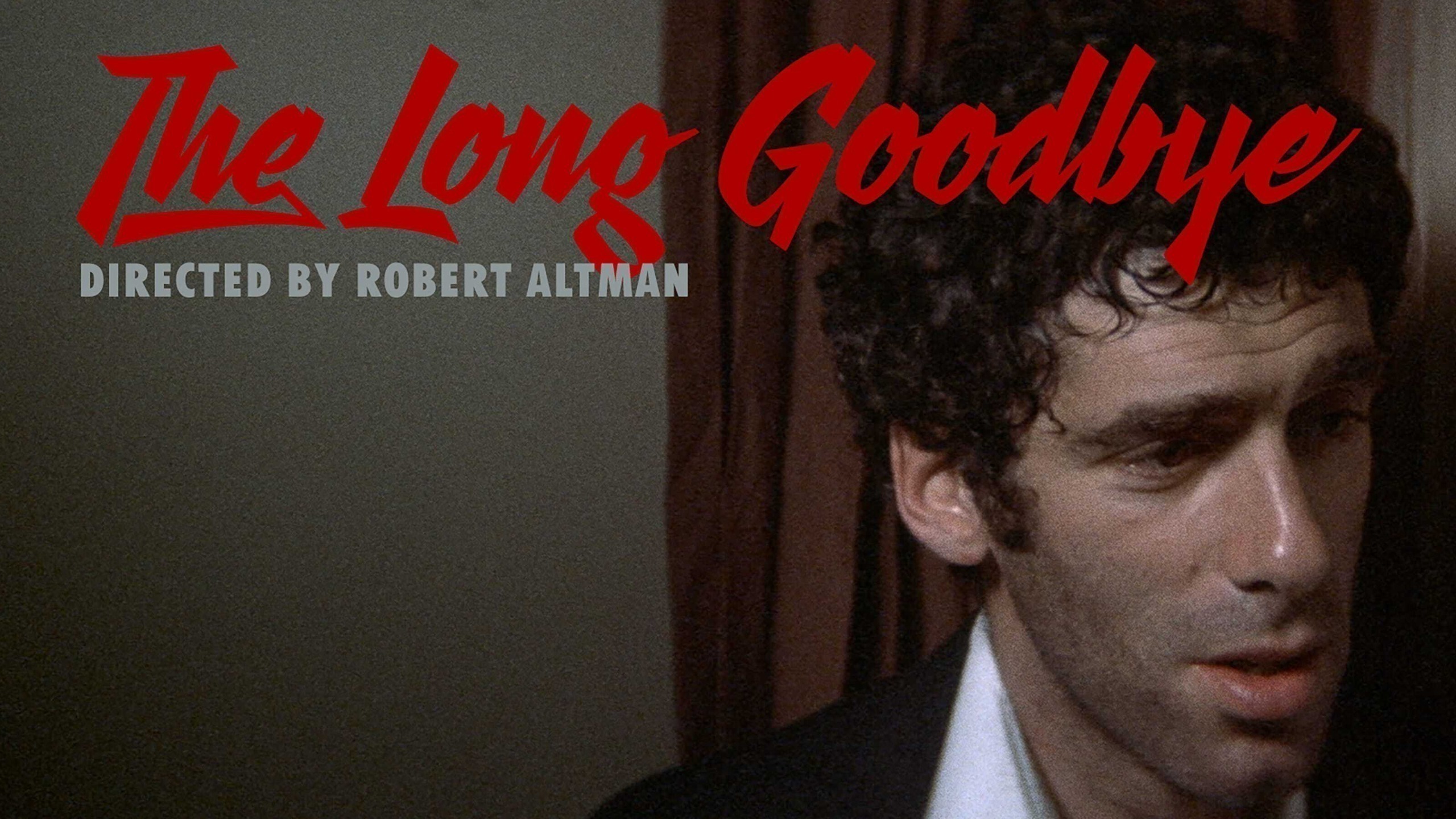
The Long Goodbye
WATCH NOW
Robert Altman updates Raymond Chandler for the liberated, hedonistic 1970s as private eye Philip Marlowe (Elliott Gould) is drawn into a labyrinth of murder and deception.
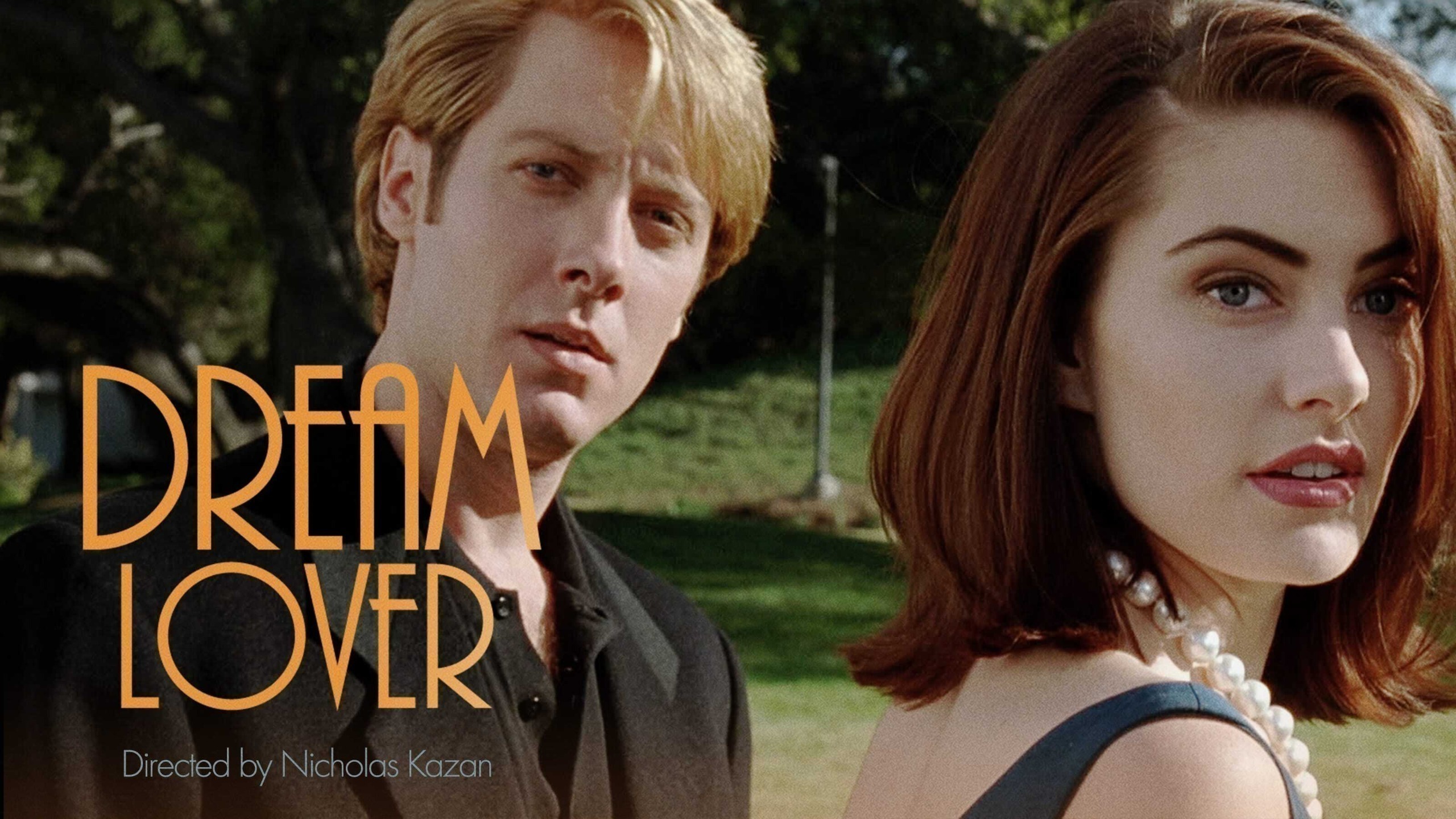
Dream Lover
WATCH NOW
An intricate game of erotic entrapment unfolds as an architect (James Spader) begins to suspect the dark secrets his too-good-to-be-true wife (Mädchen Amick) may be hiding.
MUSIC FILMS
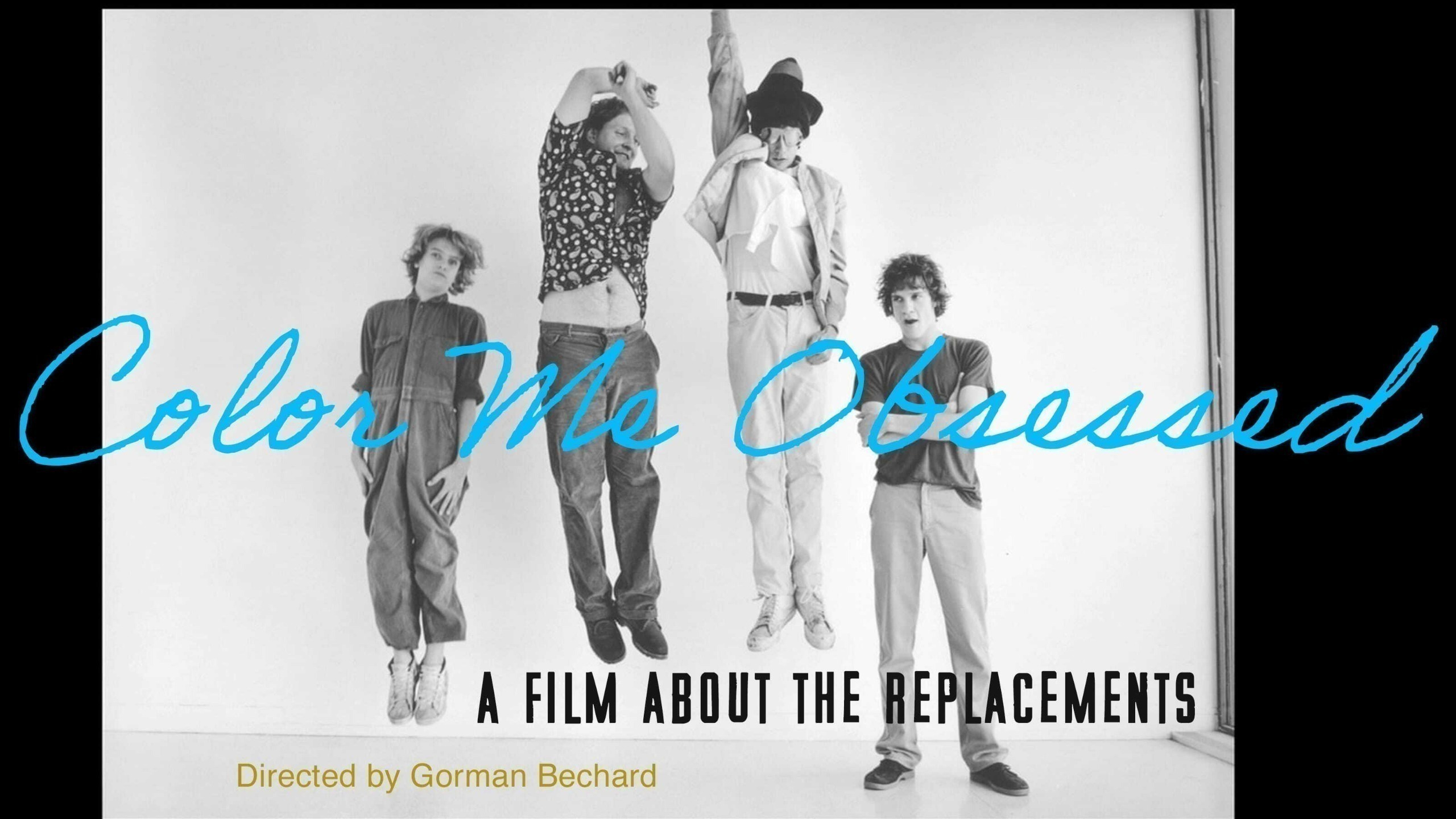
Color Me Obsessed: A Film About the Replacements
WATCH NOW
Discover the glorious, chaotic story of beloved Minneapolis rock band the Replacements through the testimonies of the fans who revere them.
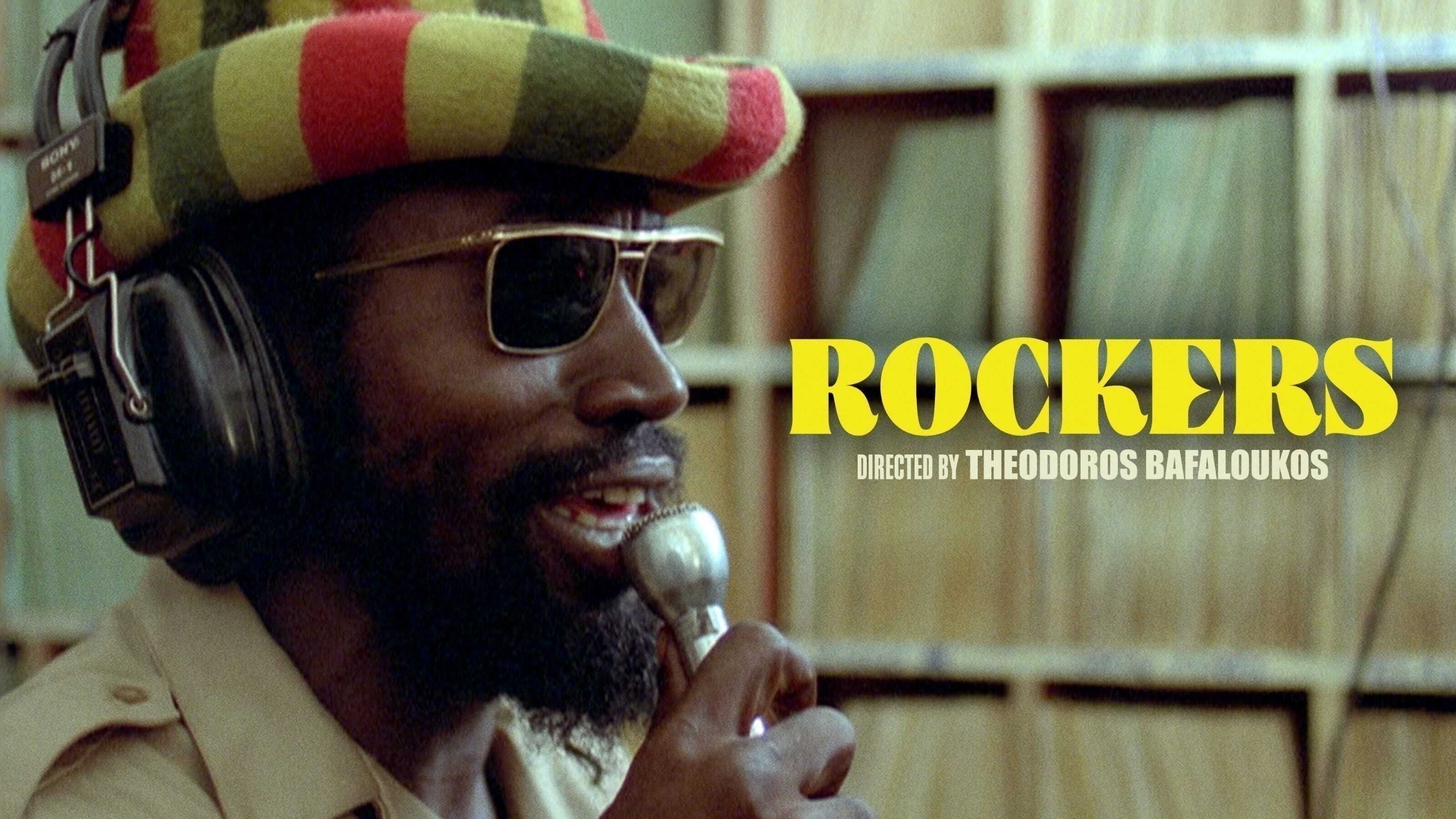
Rockers
WATCH NOW
Oppressed musicians set out to get even with the mafia-like figures who exploit them in one of the definitive reggae films, an effortlessly cool immersion into Jamaica’s 1970s music scene.
DOCUMENTARIES
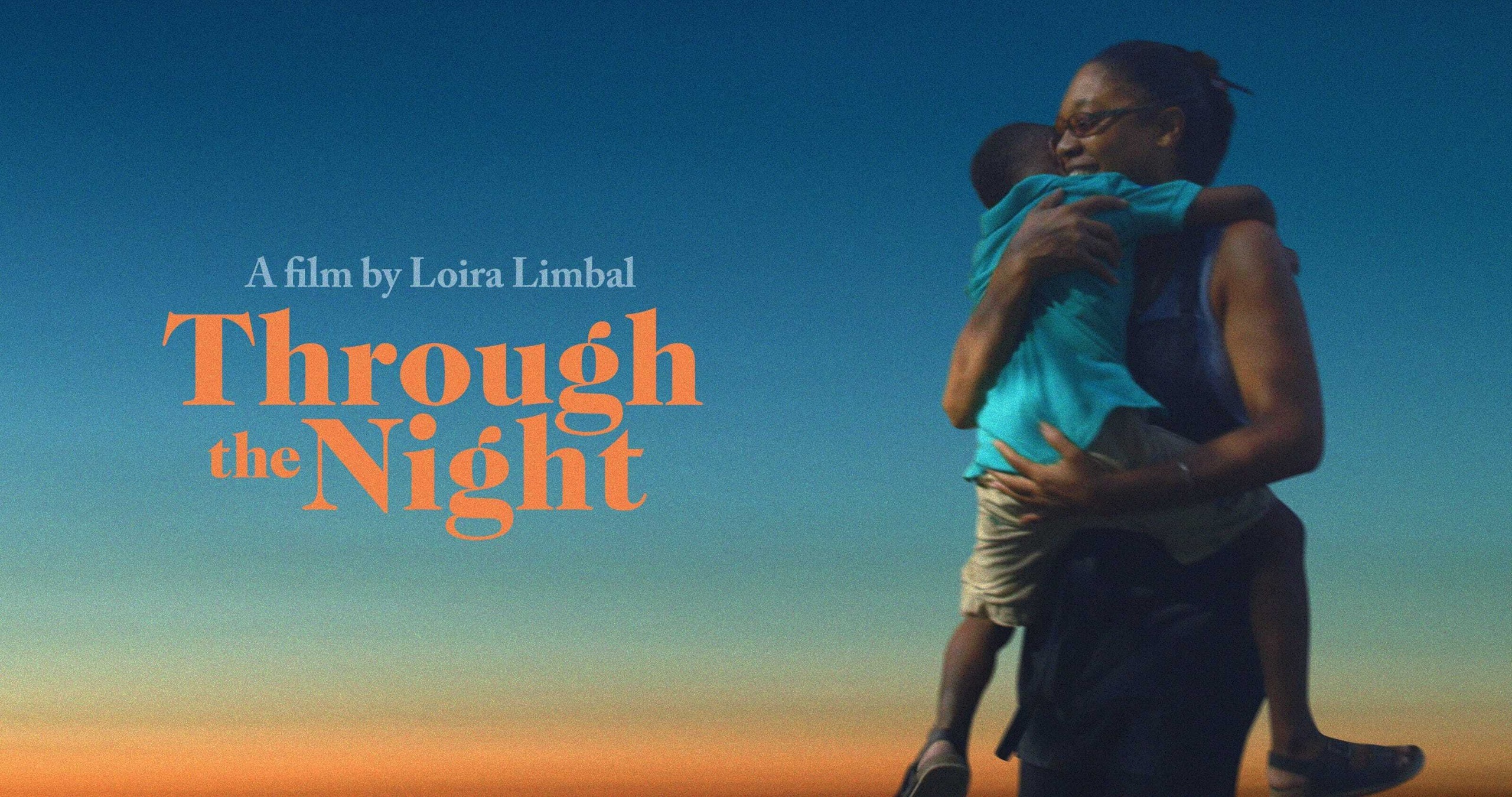
Through the Night
WATCH NOW
An intimate cinema-verité documentary explores the myriad forms of “women’s work” through a portrait of three mothers whose lives intersect at a twenty-four-hour daycare center.
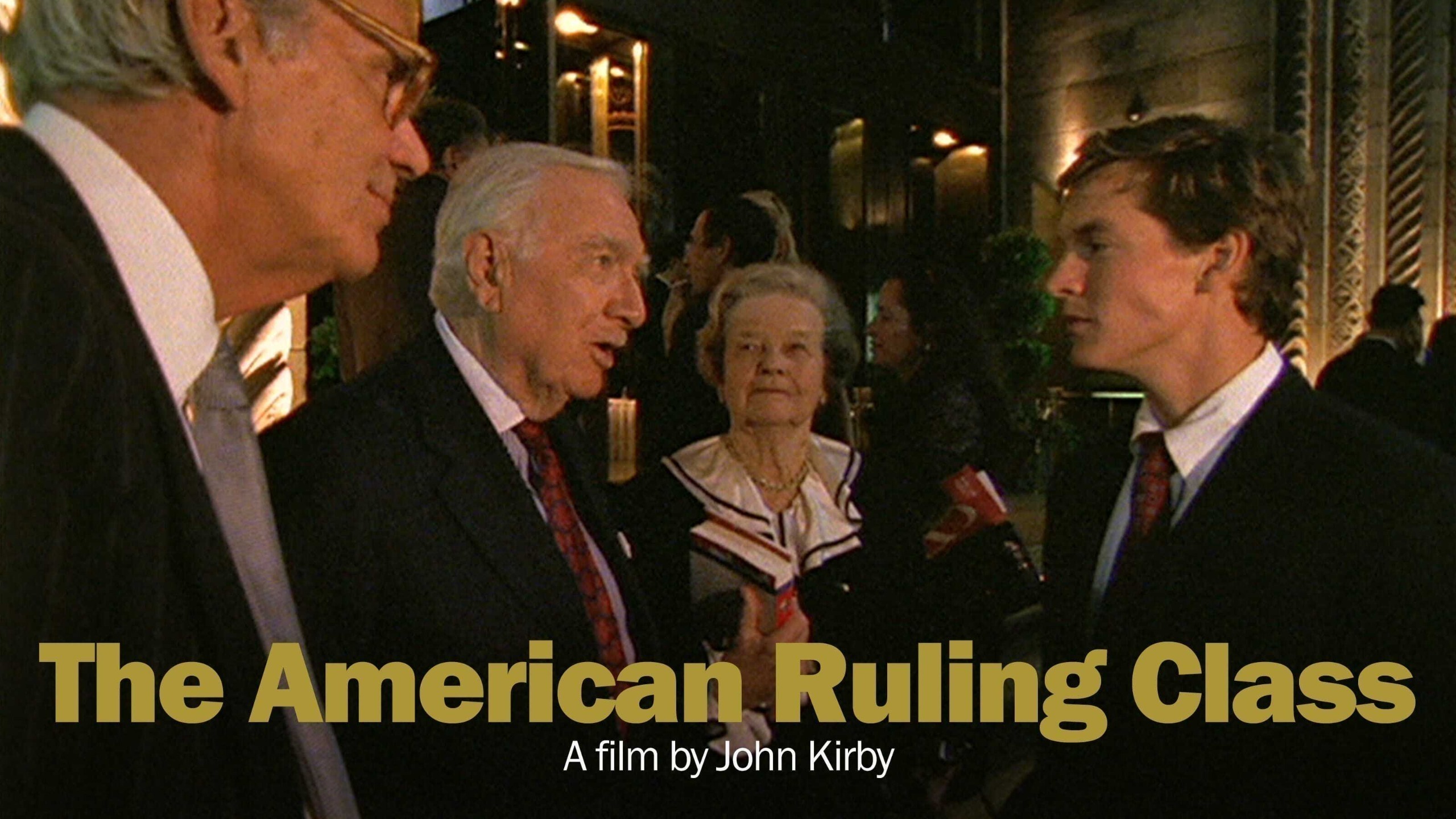
The American Ruling Class
WATCH NOW
This irreverent blend of documentary, drama, musical, political satire, and intellectual sparring match sets out to answer a provocative question: Does America have a ruling class?